 Save
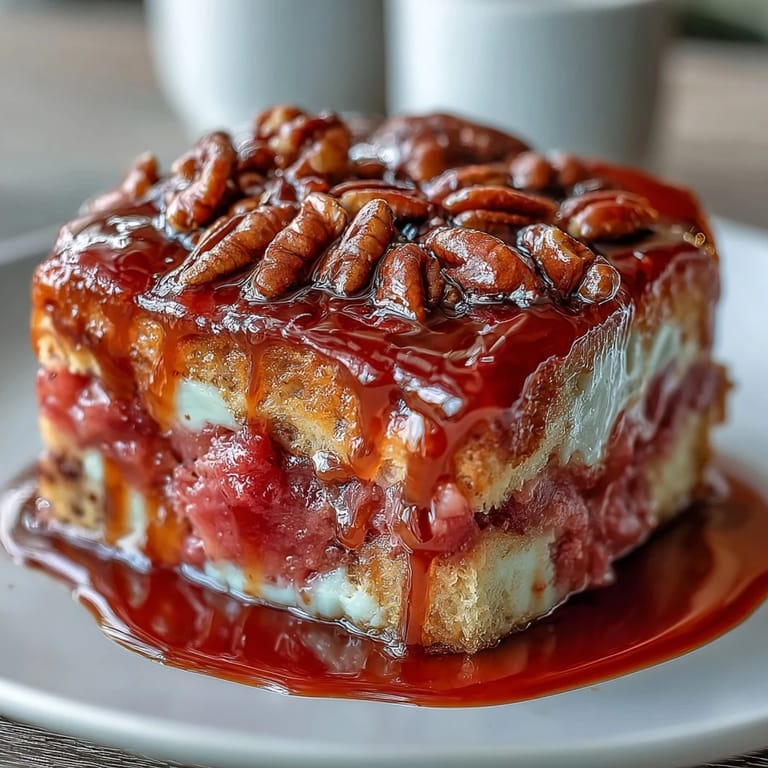
Save My grandmother's kitchen smelled like caramel and butter the afternoon she decided to reinvent bread pudding with guava paste, a fruit she swore tasted like nostalgia itself. I was there washing dishes when she started layering everything together, muttering about how tropical and classic desserts didn't have to choose sides. That first bite reminded me why she was right—the tangy guava cut through the richness perfectly, while the pecans added a texture that made you slow down and actually taste each spoonful. Years later, I still make this when I want to feel that same sense of discovery in my own kitchen.
I made this for a dinner party once when the conversation had gone quiet and awkward, and something about serving warm bread pudding with vanilla ice cream melting into that caramel just shifted the mood entirely. Everyone stopped talking for a moment, then started asking for the recipe between bites. That's when I knew it wasn't just about the flavors—it was about how certain dishes break through the noise and make people feel welcome.
Ingredients
- Day-old brioche or challah, cubed (8 cups): Use bread that's been sitting out a day or two because it soaks up custard without turning to mush—fresh bread will fall apart and ruin the texture.
- Whole milk (2 cups) and heavy cream (1 cup): The combination gives you richness without being cloying; don't skimp on the cream or you'll lose that creamy center.
- Large eggs (4) and granulated sugar (1/2 cup): These are your custard base, so don't substitute or reduce; the eggs need to be room temperature so they whisk properly.
- Vanilla extract (2 tsp): Real vanilla makes a noticeable difference here—use the good stuff since there aren't many ingredients to hide behind.
- Salt (1/4 tsp): A tiny amount that you won't taste directly but that makes everything else taste more like itself.
- Guava paste, cubed (1 cup): This is the secret weapon that makes people stop mid-chew and ask what that flavor is; cut it into small cubes so it disperses evenly.
- Caramel sauce (1/2 cup plus extra): Store-bought is fine, but homemade tastes less artificial; use the extra for drizzling because it's the best part.
- Chopped pecans (3/4 cup): Toast them yourself if you have time—it deepens their flavor and makes the whole dessert taste less like a recipe and more like someone's grandmother made it.
- Unsalted butter, melted (2 tbsp plus more for greasing): Melted butter brushed on top gets you a golden crust that shatters slightly when you break through it.
Tired of Takeout? 🥡
Get 10 meals you can make faster than delivery arrives. Seriously.
One email. No spam. Unsubscribe anytime.
Instructions
- Get everything ready:
- Preheat your oven to 350°F and grease that baking dish generously with butter—this matters more than you'd think because bread pudding wants to release easily when it's done. While the oven preheats, cube your day-old bread and set everything within arm's reach.
- Make the custard:
- In a large bowl, whisk together milk, cream, eggs, sugar, vanilla, and salt until the mixture is smooth and the sugar has mostly dissolved. Don't overthink it—you're just combining everything evenly, not trying to incorporate air.
- Soak the bread:
- Add your bread cubes to the custard and stir gently until every piece is coated. Let this sit for about 10 minutes so the bread can absorb the liquid without turning into soup.
- Fold in the good stuff:
- Add the guava paste cubes and half of the pecans, folding carefully so you don't break up the bread more than necessary. The fold should feel gentle, like you're combining rather than mixing aggressively.
- Layer with intention:
- Pour half the soaked bread mixture into your prepared baking dish, then drizzle with half the caramel sauce. Add the remaining bread mixture on top and drizzle with the rest of the caramel—this creates pockets of sweetness throughout.
- Finish the top:
- Sprinkle the remaining pecans across the surface and drizzle melted butter over everything. The butter and nuts will turn golden and a little crispy in the oven, which is exactly what you want.
- Bake until perfect:
- Bake for 40 to 45 minutes until the top is golden and the center is just set when you give the dish a gentle shake. If the top starts browning too fast, tent it loosely with foil for the last 15 minutes.
- Rest and serve:
- Let it cool for just a few minutes—this allows the custard to set slightly but keeps everything warm and soft. Serve with extra caramel drizzled on top and a scoop of vanilla ice cream or whipped cream beside it.
 Save
Save 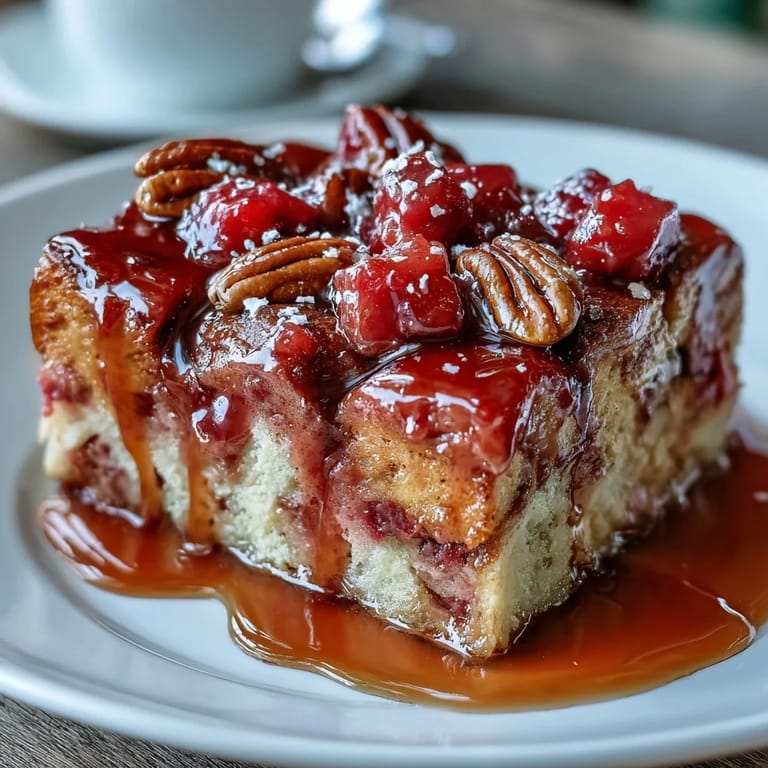 Save
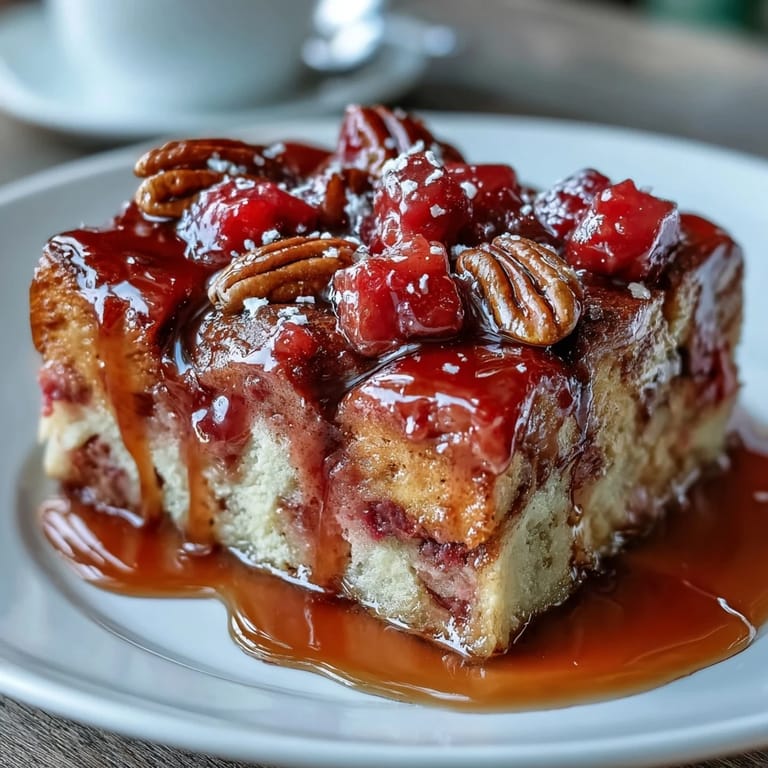
Save There's a moment about three-quarters through baking when your kitchen stops smelling like raw eggs and starts smelling like caramel and toasted pecans, and that's when you know you're close. That smell is the dessert telling you it's becoming something special.
Why Guava Makes This Different
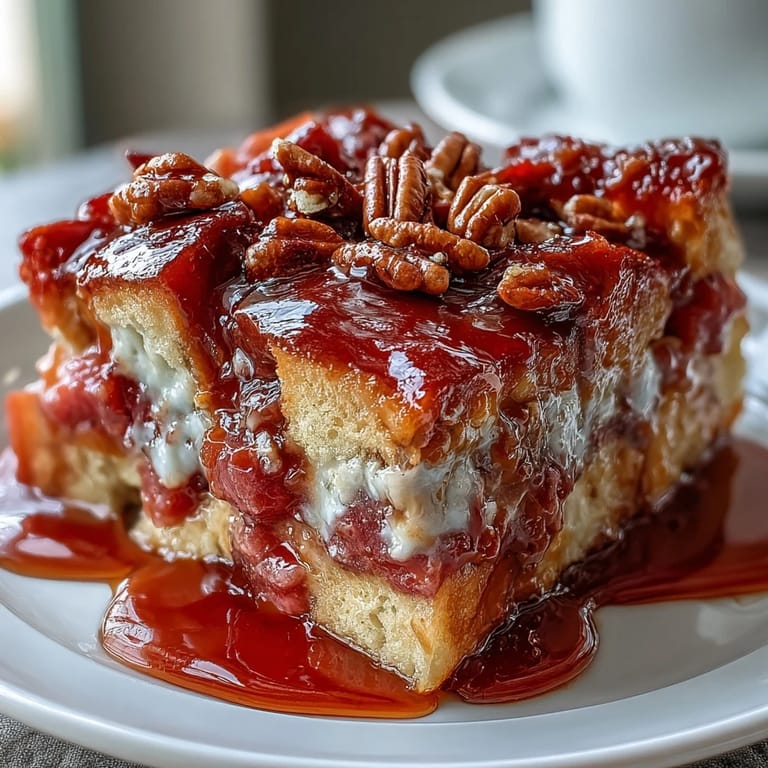
Most bread puddings play it safe with vanilla or chocolate, but guava brought something unexpected to the table—a tartness that dances with the caramel instead of getting lost in it. The first time I bit into this, the guava hit my palate before the sweetness did, which is exactly why it works. It's like the dessert has a story to tell instead of just melting on your tongue.
Temperature and Texture Matter
Serving this warm versus cold changes the entire experience, and I learned this the hard way by eating leftovers straight from the fridge. Warm, it's custardy and comforting with a gentle pecan crunch; cold, it becomes almost cake-like and the caramel hardens slightly. Both have their moment, but the warm version is what you're actually making this for.
Make It Your Own
This dessert invites customization more than most recipes because the framework is solid enough to handle experimentation. I've added shredded coconut, swapped walnuts for pecans, and even drizzled a little rum over the custard mixture once with results that surprised everyone. The guava and caramel are the anchors that keep everything from feeling like you're making something completely different.
- For a tropical twist that actually works, stir shredded coconut into the custard before soaking the bread.
- Walnuts or almonds work if you don't have pecans, though pecans really are the best choice here.
- If your guava paste seems too firm, let it sit at room temperature for a few minutes so it's easier to cube.
 Save
Save  Save
Save This is the dessert I return to when I want to feel like I'm cooking with intention instead of just following directions. It reminds me that the best recipes are the ones that taste like a decision.
Recipe Questions & Answers
- → What type of bread works best for this dessert?
Brioche or challah are ideal choices because their rich, eggy texture absorbs the custard beautifully while maintaining structure. Day-old bread works best as it soaks up liquid without becoming mushy. French bread can also be used for a slightly lighter result.
- → Can I prepare this ahead of time?
Yes, assemble the dish up to 8 hours before baking and refrigerate covered. Let it sit at room temperature for 20 minutes before baking. You can also bake it completely and reheat individual portions in the microwave for 30-45 seconds.
- → Where do I find guava paste?
Guava paste is typically found in the Latin American or international aisle of most supermarkets. It comes in a solid block or flat tin. Look for it near other Hispanic ingredients or specialty baking items. Many well-stocked grocery stores and Latin markets carry it year-round.
- → How do I know when it's done baking?
The dessert is ready when the top is golden brown and the center feels set when gently shaken. A knife inserted near the center should come out clean, not liquidy. The edges will pull away slightly from the pan. If the top browns too quickly, cover loosely with foil after 30 minutes.
- → What can I serve alongside this?
Warm servings pair wonderfully with vanilla ice cream, whipped cream, or crème fraîche to balance the sweetness. For extra indulgence, drizzle additional caramel sauce over individual portions. A cup of strong coffee or espresso complements the rich flavors perfectly.
- → Can I make this dairy-free?
Substitute whole milk with unsweetened almond or coconut milk, and replace heavy cream with full-fat coconut cream. Use vegan butter for greasing the pan and topping. The texture may be slightly different but still delicious. Ensure your caramel sauce is also dairy-free.