 Save
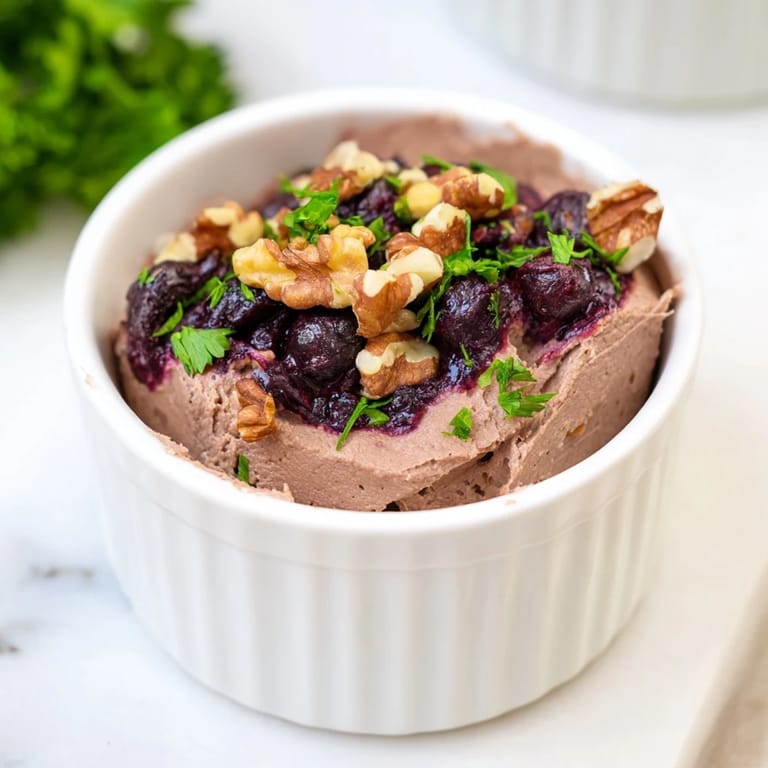
Save There's something about the moment when someone's eyes light up after tasting something unexpected that makes cooking feel less like a chore and more like sharing a secret. I discovered this dish at a tiny wine bar in Lyon, where the sommelier recommended pairing a glass of Sauternes with what she called their "velvet tower"—layers of silky pâté, jewel-toned jams, and hidden pockets of crunchy nuts that caught you off guard. I sat there, fork in hand, realizing how something so simple could feel so deliberately luxurious, and I knew I had to recreate it at home.
I made this for my parents' book club night, not entirely confident it would work, but desperate to impress without actually cooking. Watching them discover the hidden nuts buried in the layers, hearing someone say "this tastes like it came from a restaurant," felt like a small triumph. My mom asked for the recipe afterward, which she's never done before, and that's when I knew I'd nailed something.
Ingredients
- Smooth duck or chicken liver pâté (200 g): This is your foundation, and its quality matters more than you'd think. Store-bought works perfectly here—you're not trying to prove anything by making it from scratch.
- Fig jam (4 tbsp): The sweetness cuts through the pâté's richness and adds that jeweled visual element that makes people reach for seconds.
- Blackcurrant jam (2 tbsp): This adds a subtle tartness that keeps the dish from feeling one-note, plus the deeper color creates a moody marbled effect.
- Roasted hazelnuts, roughly chopped (50 g): Don't skip this step of toasting them first if they aren't already roasted—the flavor depth makes a genuine difference.
- Toasted walnuts, broken into pieces (30 g): The walnut's earthiness balances the sweetness beautifully, and breaking them by hand gives you better texture control than chopping.
- Toasted baguette slices, gluten-free crackers, or vegetable sticks: Choose what suits your mood and your guests—all three options work, and that's the point.
- Fresh chives or parsley, finely chopped: This isn't just garnish; the fresh herb bite is your final note, sharp and bright against all that richness.
Tired of Takeout? 🥡
Get 10 meals you can make faster than delivery arrives. Seriously.
One email. No spam. Unsubscribe anytime.
Instructions
- Build Your Base:
- Spread half the pâté into your serving dish or ramekins, using a spatula to create an even layer. Take your time here—an even base makes the whole thing look intentional rather than rushed.
- Swirl in the Sweetness:
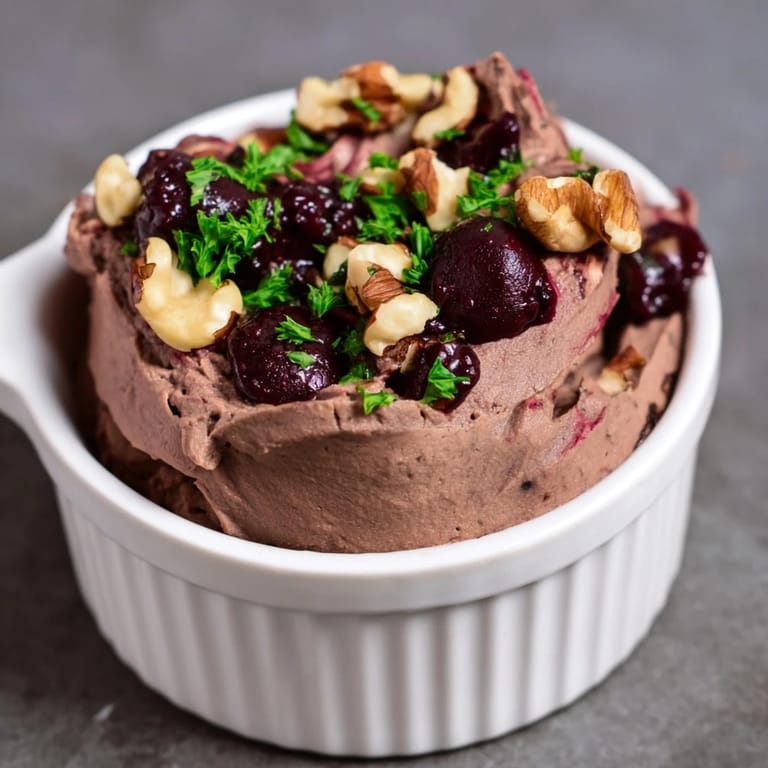
- Dot the fig and blackcurrant jams across the pâté, then use a knife or small spoon to gently swirl them together. You're aiming for a marbled effect, not complete blending—let the colors stay somewhat distinct so they look like you meant it.
- Hide the Treasures:
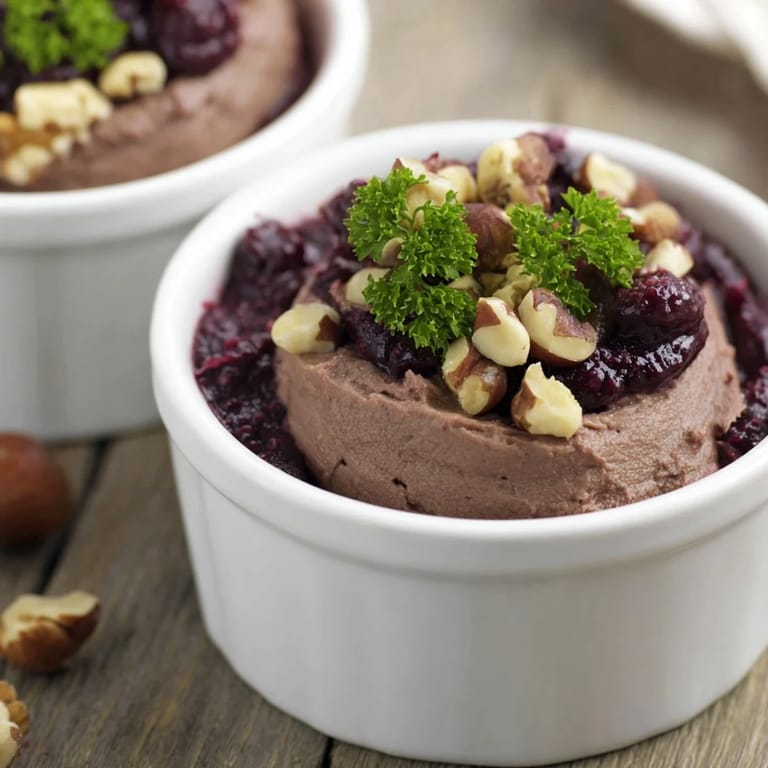
- Scatter half the hazelnuts and walnuts over the jam, pressing them gently so they nestle into the layers. This is where the magic happens: some nuts stay visible on top, others disappear beneath, creating that delightful crunch when people least expect it.
- Layer On:
- Repeat with the remaining pâté, jams, and nuts, creating a second layer. Make sure the top layer of pâté is smooth and welcoming—this is your canvas.
- Final Touches:
- Give the top a gentle smooth with a clean spatula, then scatter a few more chopped nuts and your fresh herbs across the surface. Step back and look at it; it should feel indulgent and approachable at the same time.
- Serve:
- Bring it straight to the table with your toasted baguette, crackers, or vegetable sticks on the side. Serve immediately so the textures stay distinct and the whole thing feels fresh.
 Save
Save My neighbor tasted this at a dinner party and said, "You made this?" with such genuine surprise that I'm still riding that high weeks later. That moment when food becomes evidence that you know how to take care of people, that's when it stops being just a recipe.
The Art of Layering
Layering isn't just stacking things on top of each other—it's about creating little conversations between flavors and textures. Each layer should be intentional and thin enough that you get a bit of everything in a single bite. When you spread that pâté, you're creating a canvas; when you add the jam, you're adding emotion; when you hide those nuts, you're creating surprise. That's the difference between a plate of ingredients and a dish someone actually remembers.
Choosing Your Accompaniments
The crackers or bread you pair with this matters more than you'd expect. Toasted baguette slices give you that crispy-to-creamy contrast, which is classic for a reason, but gluten-free crackers work beautifully if that's what your table needs. If you're going the vegetable route—and honestly, sliced radishes, cucumber, or apple are stunning with this—you get a different kind of freshness that keeps the dish from feeling heavy. Think about what your guests will appreciate, or what you're craving alongside something this rich.
Wine Pairing and Flavor Harmony
This dish was literally born from a wine pairing moment, so it deserves a drink that understands it. A chilled Sauternes with its honeyed sweetness is the obvious choice, but a light Pinot Noir also works if that's more your speed—the tannins cut through the richness in a way that feels right. If wine isn't your thing, a dry sparkling cider or even a really good sparkling water with fresh lemon brings the same kind of brightness that keeps your palate awake and ready for the next bite.
- Sauternes pairs with the sweetness of the jams and creates a luxurious, dessert-like moment.
- Pinot Noir's silky texture complements the pâté while its acidity balances the jam's sweetness.
- Don't overthink it—your favorite drink is the right choice if it feels good to you.
 Save
Save This dish taught me that sometimes the most impressive things to cook are the ones that ask you to simply arrange and trust your ingredients. There's elegance in simplicity when you choose quality and arrange it with intention.
Recipe Questions & Answers
- → What types of pâté can I use?
Duck or chicken liver pâté works best, whether store-bought or homemade, to achieve a smooth, creamy base.
- → Can the nuts be substituted?
Yes, seeds like pumpkin or sunflower seeds can replace nuts for a nut-free alternative without sacrificing texture.
- → How should I serve this dish?
Present it with toasted baguette slices, gluten-free crackers, or vegetable sticks to complement the layered flavors.
- → Are there recommended jam alternatives?
Cherry or raspberry jams can be used alongside or instead of fig and blackcurrant for varied sweet-tart profiles.
- → What garnishes enhance the flavor?
Fresh herbs like chives or parsley add a bright finish and subtle aroma to balance the richness.