 Save
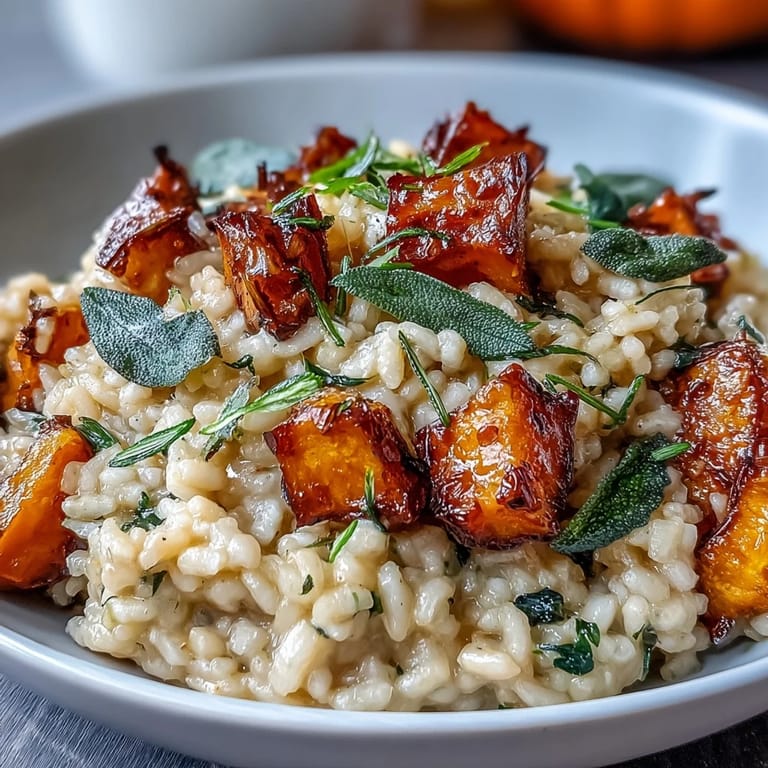
Save My kitchen smelled like butter and earth even though there wasn't a drop of dairy in sight. I was stirring a pot of arborio rice, watching it turn glossy under a ladle of broth, when I realized this vegan pumpkin risotto had fooled even my most skeptical dinner guest. The roasted pumpkin had collapsed into sweet, golden pockets throughout the rice, and those crispy sage leaves? They shattered like autumn itself on my tongue.
I made this for a small gathering last October, and my friend who swore she hated risotto asked for the recipe before dessert even arrived. She'd assumed vegan meant bland, but the nutmeg and nutritional yeast created this savory, almost cheesy undertone that kept everyone going back for seconds. We ate it by candlelight with the windows cracked open, letting in the cool air, and I remember thinking that sometimes the best meals are the ones that prove people wrong in the kindest way possible.
Ingredients
- Pumpkin (600 g, diced): Roasting it separately keeps the pieces intact and sweetly caramelized instead of turning to mush in the risotto.
- Yellow onion (1 medium, finely chopped): The base of every great risotto, melting into the background while adding gentle sweetness and body.
- Garlic (2 cloves, minced): Just enough to add a whisper of warmth without overpowering the delicate pumpkin flavor.
- Arborio rice (300 g): The short, starchy grains release their creaminess slowly, creating that signature velvety texture as you stir.
- Vegetable broth (1.2 liters, warm): Keeping it warm is non-negotiable, cold broth will shock the rice and ruin the creamy momentum.
- Dry white wine (120 ml, optional): It adds brightness and a subtle acidity that balances the sweetness of the pumpkin beautifully.
- Olive oil (3 tbsp, divided): Used for roasting, sautéing, and frying the sage, it's the backbone fat that ties everything together.
- Fresh sage leaves (15 to 20): When fried, they become crispy, fragrant little chips that add both texture and an earthy, peppery note.
- Nutmeg (½ tsp, freshly grated): A secret weapon that enhances the pumpkin's natural sweetness and adds an unexpected warmth.
- Nutritional yeast (2 tbsp, optional): This is what gives the dish that cheesy, umami depth without any dairy.
- Lemon zest (½ lemon, optional): A bright, citrusy finish that cuts through the richness and wakes up every spoonful.
- Salt and black pepper: Essential for building flavor at every stage, from roasting to the final seasoning.
Tired of Takeout? 🥡
Get 10 meals you can make faster than delivery arrives. Seriously.
One email. No spam. Unsubscribe anytime.
Instructions
- Roast the Pumpkin:
- Preheat your oven to 200°C (390°F) and spread the diced pumpkin on a baking tray, drizzling it with 1 tablespoon of olive oil and seasoning with salt and pepper. Roast for 20 to 25 minutes until the edges turn golden and the flesh is tender enough to pierce easily with a fork.
- Start the Risotto Base:
- Heat 1 tablespoon of olive oil in a large, deep skillet or saucepan over medium heat, then add the chopped onion and cook for 3 to 4 minutes until it becomes translucent and soft. Stir in the minced garlic and cook for another minute until fragrant.
- Toast the Rice:
- Add the arborio rice to the pan and stir constantly for about 2 minutes, letting each grain get coated in the oil and lightly toasted. This step adds a subtle nutty flavor and helps the rice hold its shape.
- Deglaze with Wine:
- Pour in the white wine if you're using it, and stir until the liquid is almost completely absorbed by the rice. The wine adds a bright acidity that balances the richness to come.
- Add Broth Gradually:
- Begin adding the warm vegetable broth one ladleful at a time, stirring frequently and waiting for the liquid to be absorbed before adding more. Continue this process for about 18 to 20 minutes until the rice is creamy and al dente with a slight bite in the center.
- Fry the Sage:
- While the risotto cooks, heat the remaining 1 tablespoon of olive oil in a small skillet over medium-high heat and fry the sage leaves for 30 to 60 seconds until they turn crisp and fragrant. Transfer them to a paper towel to drain and set aside.
- Fold in the Pumpkin:
- Once the rice is nearly done, gently fold in the roasted pumpkin, freshly grated nutmeg, and nutritional yeast if using. Taste and adjust the seasoning with salt and pepper as needed.
- Serve and Garnish:
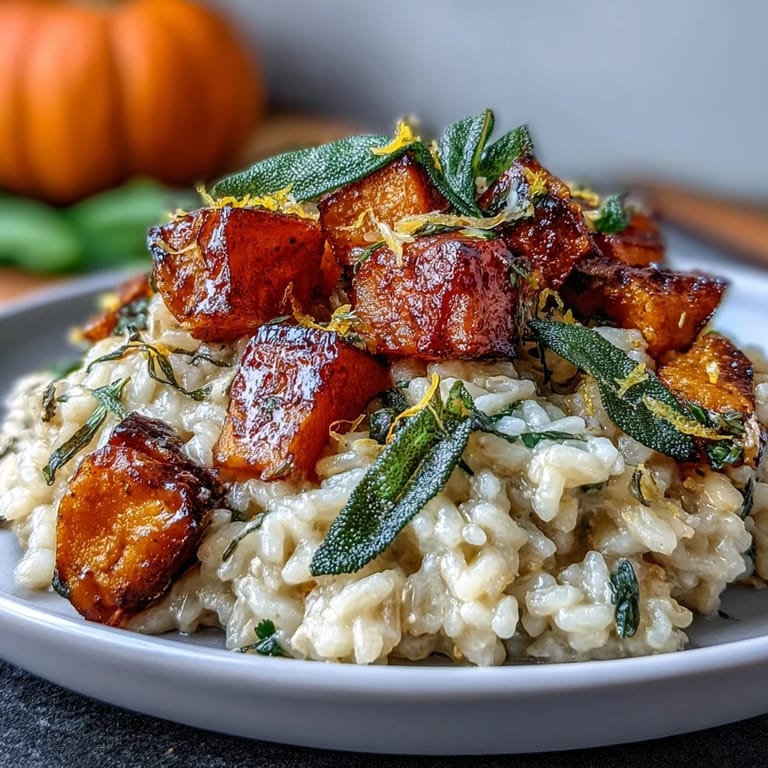
- Spoon the risotto into bowls while it's still hot and creamy, then top each serving with crispy sage leaves and a sprinkle of lemon zest if desired. Serve immediately for the best texture and flavor.
 Save
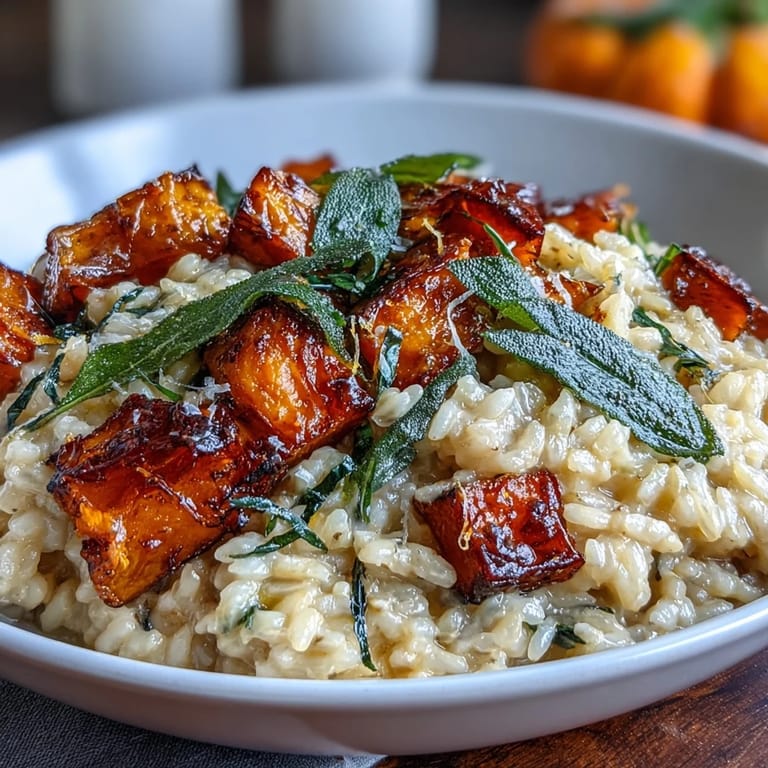
Save There was a moment, just before serving, when I stood over the pot and took a taste straight from the wooden spoon. The rice was silky, the pumpkin melted on my tongue, and the nutmeg lingered like a warm secret. I realized then that this dish didn't need cheese or cream to feel indulgent, it just needed patience, good ingredients, and a little bit of love stirred in with every ladle.
Making It Even Creamier
If you want an ultra-luxurious texture, blend half of the roasted pumpkin with a few tablespoons of broth until smooth, then stir it into the risotto during the last few minutes of cooking. This creates a velvety base that clings to every grain of rice, while the remaining pumpkin chunks add pops of sweetness and texture. I tried this on a whim one evening and it transformed the dish into something that felt almost restaurant-worthy, the kind of thing you'd want to eat slowly with a glass of wine in hand.
Choosing Your Squash
Pumpkin is traditional and lovely, but butternut squash works just as well and is often easier to peel and dice. I've also used kabocha squash when I found it at the farmers market, and its dense, sweet flesh held up beautifully in the risotto without falling apart. The key is to pick a squash that's naturally sweet and not too watery, so it caramelizes nicely in the oven and doesn't make your risotto soupy.
Serving and Pairing Suggestions
This risotto shines as a main course, but it also works beautifully as a side dish alongside roasted vegetables or a simple green salad dressed with lemon and olive oil. I like to pair it with a crisp, dry white wine, something with enough acidity to cut through the richness, like a Pinot Grigio or a vegan-friendly Sauvignon Blanc. On cooler evenings, I've served it in shallow bowls with crusty bread on the side, and it disappears faster than I can make it.
- Garnish with extra lemon zest and a drizzle of good olive oil for a bright, elegant finish.
- Leftovers can be shaped into patties, pan-fried, and turned into crispy risotto cakes for breakfast or lunch.
- If you're not vegan, a handful of grated Parmesan stirred in at the end takes this dish to another level entirely.
 Save
Save This risotto has become my go-to when I want to remind myself that cooking can be both meditative and rewarding. There's something about standing at the stove, stirring, tasting, adjusting, that feels like a conversation between you and the food, and when it all comes together, it's nothing short of magic.
Recipe Questions & Answers
- → Can I use a different type of rice?
Arborio rice is essential for authentic risotto texture due to its high starch content. Carnaroli or vialone nano rice work as substitutes, but long-grain varieties won't create the signature creaminess.
- → How do I know when the risotto is done?
The rice should be al dente with a slight bite in the center, and the texture should be creamy and flow slightly when spooned onto a plate. This typically takes 18-20 minutes of gradual broth addition.
- → Can I make this ahead of time?
Risotto is best served immediately, but you can roast the pumpkin ahead. If reheating, add warm broth gradually while stirring over low heat to restore the creamy consistency.
- → What can I substitute for white wine?
Simply use an extra ladleful of vegetable broth if omitting wine. For a similar depth, add a splash of white wine vinegar or lemon juice with the broth.
- → How do I prevent the sage from burning?
Use medium-high heat and watch carefully. The leaves should crisp in 30-60 seconds. Remove immediately when they turn bright green and stop bubbling, as they'll continue cooking slightly after removal.
- → Can I freeze leftover risotto?
While possible, freezing affects the texture. Store in airtight containers for up to 3 months, then reheat gently with additional broth to restore creaminess.