 Save
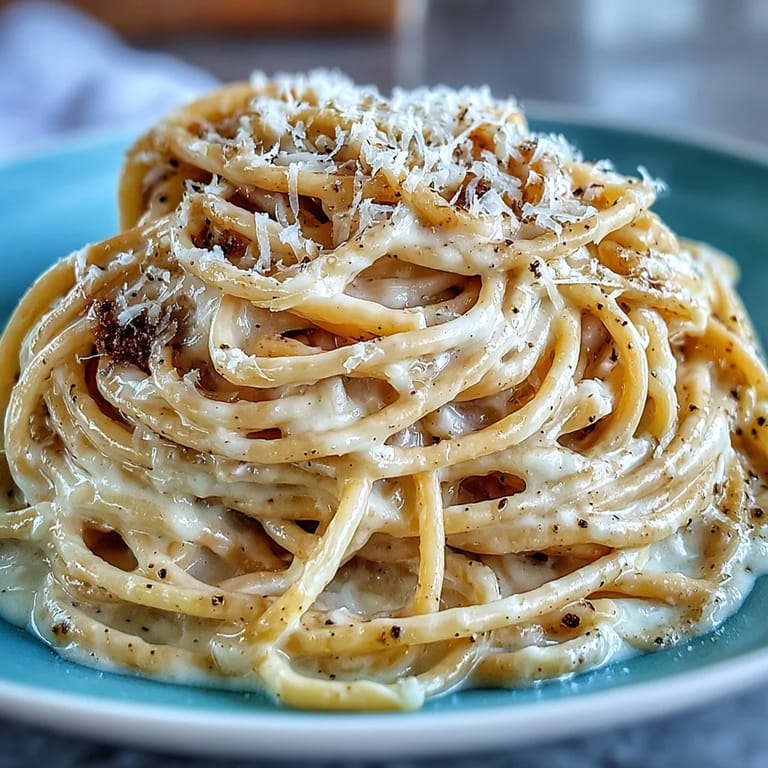
Save My neighbor's kitchen window was open one summer evening, and the smell of toasted pepper drifted straight into my apartment. I knocked on her door with a bottle of wine and she handed me a fork. That was the night I learned that three ingredients could taste like this much.
I made this for my brother the night before he moved across the country. We didn't talk much, just twirled our forks and listened to the rain. He texted me two weeks later asking for the recipe, and I knew it wasn't really about the pasta.
Ingredients
- Spaghetti or tonnarelli (400 g): Tonnarelli is the Roman choice, thicker and better at grabbing sauce, but spaghetti works beautifully and is easier to find.
- Pecorino Romano cheese (120 g, finely grated): This is the soul of the dish. Buy a wedge and grate it yourself, the pre-shredded stuff clumps and won't melt into silk.
- Whole black peppercorns (2 tsp, freshly cracked): Crack them coarse in a mortar or under a heavy pan, toasting them wakes up their flavor and fills the kitchen with warmth.
- Kosher salt (1 tsp for pasta water): Salt the water like the sea, it's the only chance to season the pasta from the inside.
- Unsalted butter (1 tbsp, optional): Not traditional, but it smooths the sauce when you're still learning the technique.
Tired of Takeout? 🥡
Get 10 meals you can make faster than delivery arrives. Seriously.
One email. No spam. Unsubscribe anytime.
Instructions
- Boil the pasta:
- Bring a large pot of water to a rolling boil, salt it well, then add the spaghetti. Cook it just shy of al dente, about a minute less than the package says, and save 1½ cups of that starchy water before you drain.
- Toast the pepper:
- While the pasta bubbles, put your cracked peppercorns in a dry skillet over medium heat. Let them toast for about a minute until they smell like a spice shop, shaking the pan so they don't burn.
- Build the base:
- Pour 1 cup of the hot pasta water into the skillet with the pepper and lower the heat. This is where the magic starts, that peppery broth is the foundation of your sauce.
- Toss the pasta:
- Add the drained pasta to the skillet and toss it around, let it drink up some of that liquid. The pasta should look glossy and slightly loose, not dry.
- Add the cheese:
- Pull the skillet off the heat and start sprinkling in the Pecorino, tossing fast and constantly. Add a splash more pasta water if it seizes up, the motion and the heat from the pasta will turn it creamy.
- Finish and serve:
- Toss in the butter if you're using it, then plate immediately. Top with more cheese and pepper, and eat it while it's still steaming.
 Save
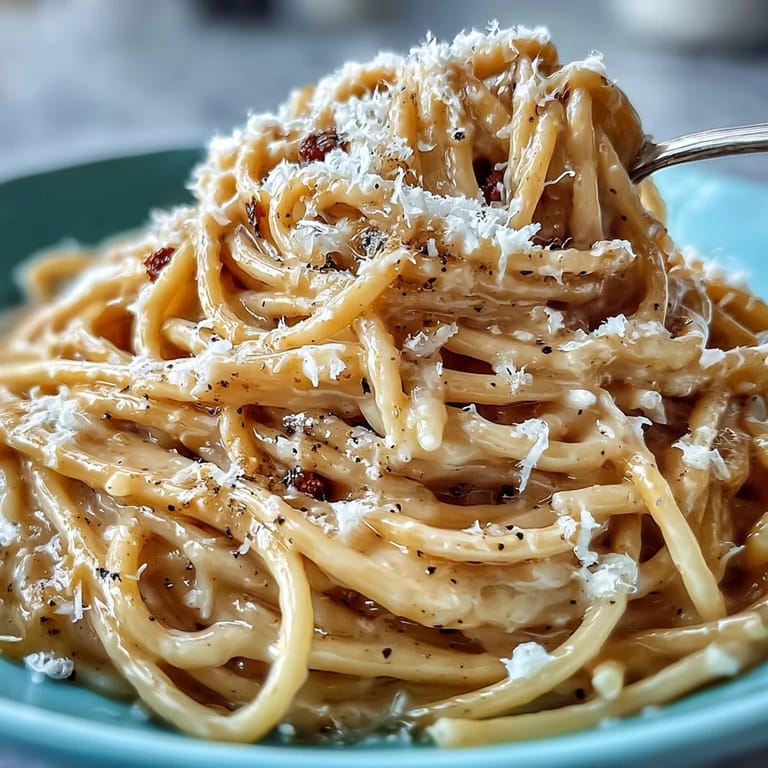
Save The first time I got the sauce right, I stood at the stove and ate half the batch straight from the pan. My roommate walked in and I handed her a fork without a word. We finished it together, laughing at how something so simple could feel like a small miracle.
Choosing Your Pasta
Tonnarelli is traditional because its square shape and rough texture grab onto the pepper and cheese like Velcro. Spaghetti is thinner and twirls more easily, but it works just as well if you cook it right. I've also used bucatini when I want something with more chew, the hollow center traps little pockets of sauce.
Getting the Sauce Just Right
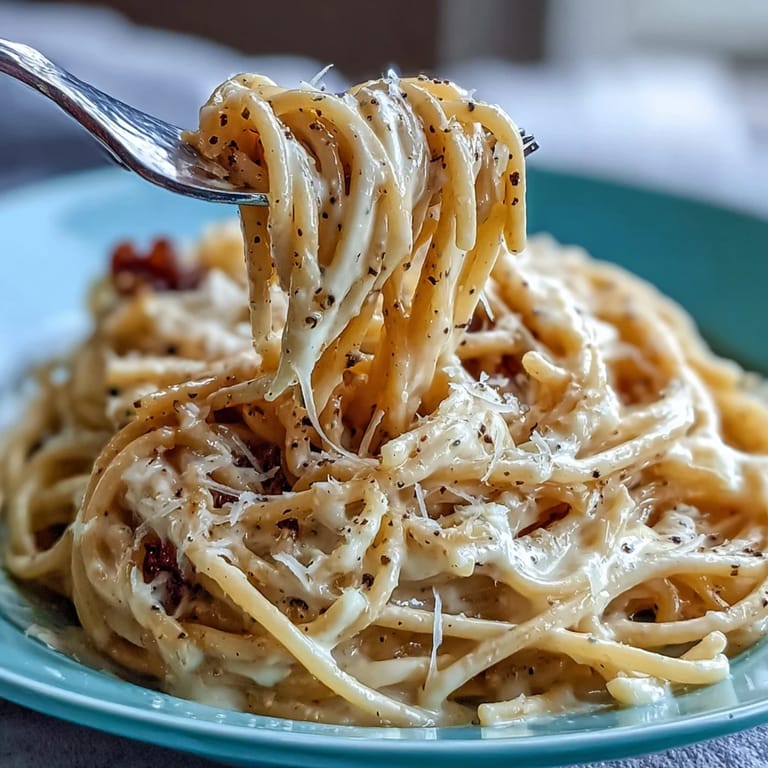
The sauce should coat the pasta like silk, not pool at the bottom of the bowl. If it's too thick, add pasta water a tablespoon at a time while tossing. If it's too loose, let it simmer for a few seconds to tighten up. The key is constant motion, the tossing is what makes the cheese and water become one.
Serving and Pairing
This dish doesn't wait for anyone, it's best eaten the moment it leaves the pan. I like to serve it in warm bowls with extra Pecorino on the table and a pepper grinder within reach. A crisp white wine like Frascati or Vermentino cuts through the richness, though I've been just as happy with cold sparkling water and good bread.
- Warm your serving bowls so the pasta doesn't cool too fast
- Keep a little extra pasta water on the side in case someone wants to loosen their portion
- Leftovers don't reheat well, so make only what you'll eat tonight
 Save
Save This is the kind of recipe that gets better every time you make it, not because the ingredients change, but because your hands learn the rhythm. You'll know when it's right, the sauce will shine and cling, and the first bite will taste like Rome.
Recipe Questions & Answers
- → Why does my Cacio e Pepe sauce turn clumpy?
Clumping occurs when the cheese is added to pasta that's too hot or when insufficient pasta water is used. Remove the pan from heat before adding cheese, and toss vigorously while gradually adding reserved pasta water to create a smooth emulsion.
- → Can I substitute Parmesan for Pecorino Romano?
While Parmesan can be used, Pecorino Romano is traditional and provides the authentic sharp, salty flavor that defines this dish. Pecorino's distinct taste and melting properties are key to achieving the classic Roman character.
- → What type of pasta works best?
Tonnarelli is the traditional choice in Rome, but spaghetti is an excellent alternative. Long pasta shapes work best as they coat evenly with the creamy cheese and pepper sauce. Avoid short pasta shapes for authentic results.
- → How much pasta water should I reserve?
Reserve at least 1½ cups of starchy pasta water before draining. This liquid is essential for creating the creamy sauce—the starches help emulsify the cheese and achieve the signature silky texture without cream.
- → Is butter traditional in Cacio e Pepe?
Traditional Roman versions use only cheese, pepper, and pasta water. Butter is sometimes added for extra creaminess, but purists omit it. Both versions are delicious—choose based on your preference for authenticity or richness.
- → Why toast the black pepper?
Toasting whole black peppercorns in a dry skillet releases their essential oils and intensifies their flavor. This step adds aromatic depth and creates the bold pepper taste that's central to this minimalist dish.