 Save
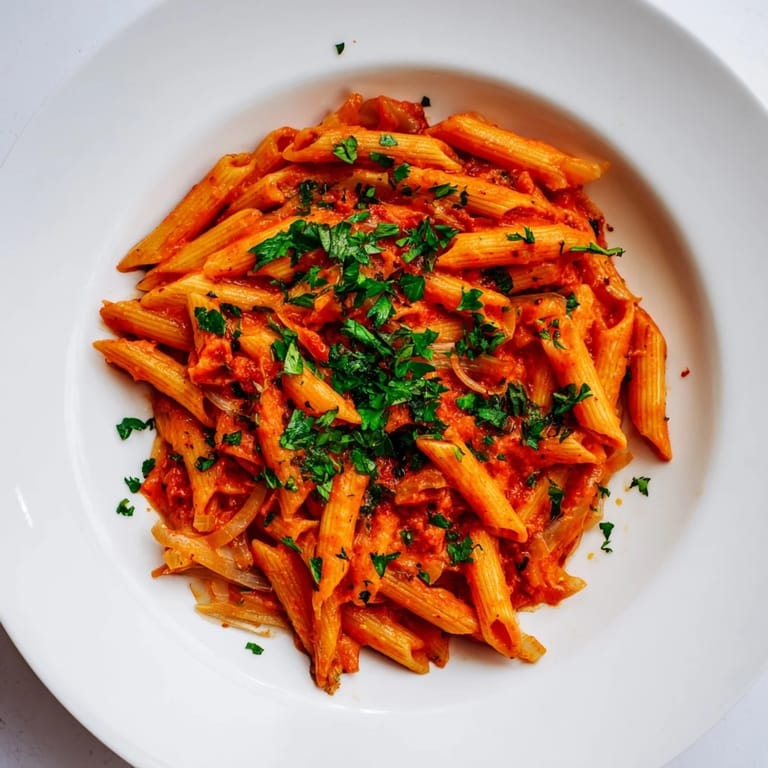
Save There's something about late nights in a Roman kitchen that stays with you—the kind of evening where you've got barely anything in the pantry but somehow end up with the most electric, unforgettable meal. The first time I made penne all'arrabbiata, I wasn't trying to be authentic or impress anyone; I just wanted something fast and alive. The chili heat hit different that night, cutting through the tomato sauce with this bright, almost angry energy that made everything taste more like itself. That dish rewired how I thought about simple cooking—sometimes less really is more.
I remember making this for a friend who'd just moved to the city, when her kitchen was still mostly empty boxes and echoing. We had three ingredients between us and somehow turned them into dinner that made her cry a little—the good kind of cry, the one that happens when food reminds you why you love eating at all. She asked for the recipe that night, and I realized I'd learned it not from a book but from muscle memory and accident, the way the best meals usually happen.
Ingredients
- Penne rigate (400 g): The ridges trap the sauce like tiny hands—use the textured pasta, never the smooth stuff, or your sauce will slide right off.
- Extra virgin olive oil (3 tbsp): This is your fat and your flavor; don't skimp or substitute with regular oil, the taste will disappear.
- Garlic cloves (4 large, thinly sliced): Thin slices release their flavor faster and won't burn into bitter chips—slice them yourself rather than buying pre-minced.
- Red chili flakes (1–2 tsp): Start with one teaspoon unless you like your food actively dangerous; you can always add more but you can't take it back.
- Peeled whole tomatoes (800 g): Canned is not a compromise here, it's the right move—crush them by hand as they hit the pan so you feel in control of the texture.
- Sea salt and black pepper: Season as you go, not at the end; the sauce needs these to develop properly.
- Fresh flat-leaf parsley (2 tbsp, chopped): The bright green at the end wakes everything up—frozen won't do it justice.
Tired of Takeout? 🥡
Get 10 meals you can make faster than delivery arrives. Seriously.
One email. No spam. Unsubscribe anytime.
Instructions
- Get your water going:
- Fill a large pot with salted water—make it taste like the sea, not just a suggestion of salt—and bring it to a rolling boil while you prep everything else. This takes about 10 minutes and gives you time to slice the garlic without rushing.
- Toast the garlic and chili:
- Pour olive oil into your skillet over medium heat and listen for it to shimmer quietly, then add the sliced garlic and chili flakes at the same moment. You'll smell something shifting from raw to fragrant in about a minute—that's your signal to move forward, before the garlic turns gold and bitter.
- Build the sauce:
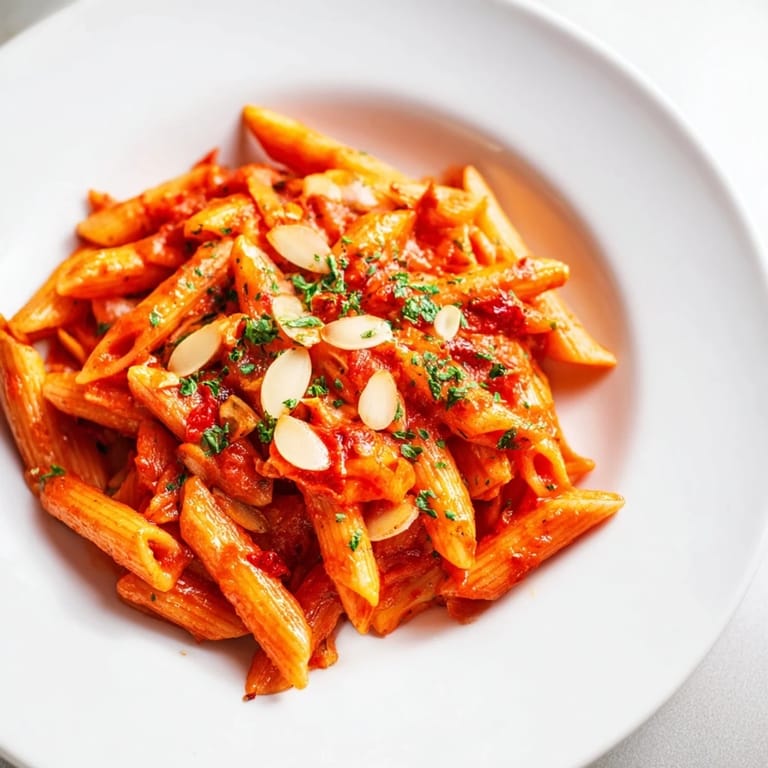
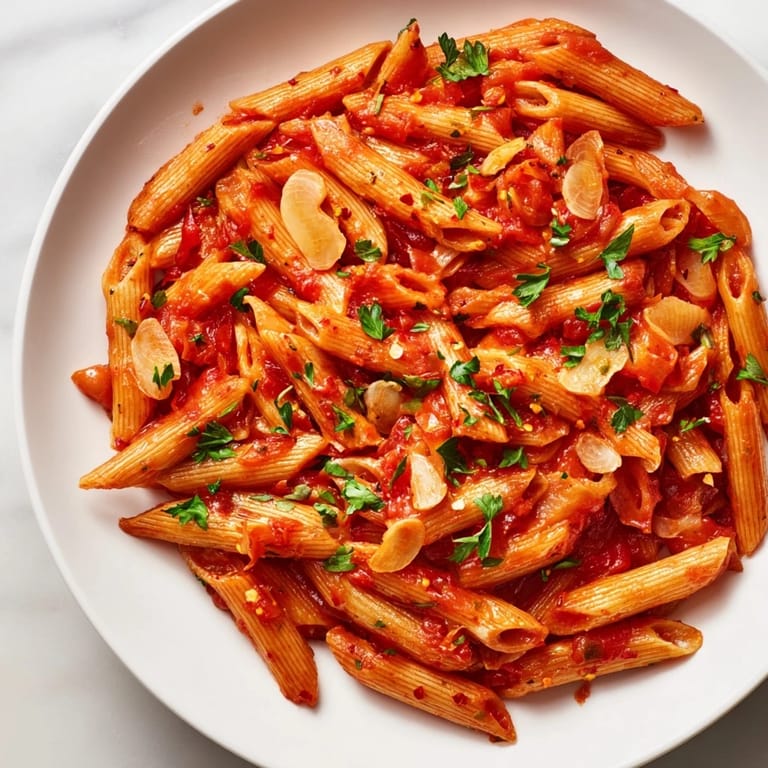
- Crush the tomatoes with your hands as they tumble into the hot oil, season with salt and pepper, then let it all simmer uncovered for 12 to 15 minutes while you cook the pasta. Stir every few minutes and watch the sauce thicken and deepen; you'll know it's ready when the surface looks like rust-colored velvet.
- Cook the pasta until it fights back:
- Add penne to the boiling water and set a timer for whatever the box says, then taste one piece at 30 seconds before you think it's done—you want it soft enough to eat but still with a slight resistance in the center, what the Italians call al dente. Before you drain it, reserve a full half cup of that starchy, salty cooking water in a mug.
- Bring them together:
- Add the drained penne directly to the simmering sauce and toss everything together with a wooden spoon, adding a splash of that reserved pasta water to help the sauce cling to every piece. This is where the dish comes alive; keep tossing for a minute or two until the pasta and sauce look like they belong together.
- Finish and serve:
- Remove the skillet from heat, scatter the fresh parsley over everything, then drizzle the whole thing with a little more olive oil to give it shine. Serve immediately while it's still steaming and the heat is still building on your tongue.
 Save
Save What got me about this dish was realizing how it sits right on the line between restraint and indulgence—nothing fancy, nothing fussy, just four things that know exactly what they're doing together. It became the meal I made when I wanted to cook for someone without trying too hard, the one that somehow always tasted like I'd spent hours in the kitchen when it was really just 30 minutes and a lot of good faith.
The Heat Question
Everyone's tolerance for spice is different, and arrabbiata respects that without apology. I started at one teaspoon of chili flakes for my first batch and spent weeks finding my personal line—some nights I wanted more fire, some nights I wanted the tomato to shine. The beauty is that you're in control, adding the heat directly to the oil where you can smell it transforming, not hiding it in a finished sauce where you're stuck with it.
Why Simple Works Here
There's a reason this dish has survived centuries in Rome without needing butter, cream, or cheese to make it memorable—the tomatoes carry so much flavor on their own, especially when they've had time to warm and thicken. The garlic and chili aren't decorations; they're the entire point, the reason people come back to this instead of reaching for something more complicated. The pasta is just the vehicle, honest and humble, letting everything else be the star.
Serving and Pairing
Serve this as soon as it's plated because arrabbiata loses something when it sits and cools, that urgency and heat softening into something merely nice instead of unforgettable. A cold glass of something Italian—Verdicchio if you can find it, or a light Chianti—sharpens the spice and makes the whole meal feel intentional, like you're in that Roman kitchen too.
- Some people add a handful of fresh basil at the end instead of parsley; both are traditional, so choose what your kitchen has.
- Leftover sauce freezes beautifully for up to a month if you find yourself with any, though that's rare once people taste it.
- This is vegan and dairy-free as written, but some prefer a shaving of Parmesan on top—the choice is yours, never Rome's.
 Save
Save This dish teaches you something important if you pay attention: that the best cooking isn't about complexity or showing off, it's about respecting your ingredients and giving them space to be themselves. Make this once and you'll make it a hundred more times, each one slightly different, always tasting like home.