 Save
Save There's something about the smell of rye bread baking that pulls me back to a small kitchen in Riga, where my grandmother would slide these dark, fragrant loaves into the oven while I sat at the table watching flour dust catch the morning light. Rupjmaize isn't fancy—it's honest, dense, and deeply rooted in Latvian tradition, the kind of bread that tastes like history and comfort in every slice. I spent years thinking I couldn't make it at home until I realized the secret wasn't in some exotic technique, but in patience and trusting the long, slow rise. Now whenever I bake this, the house fills with that same warm, slightly sweet aroma that makes everything else fade away.
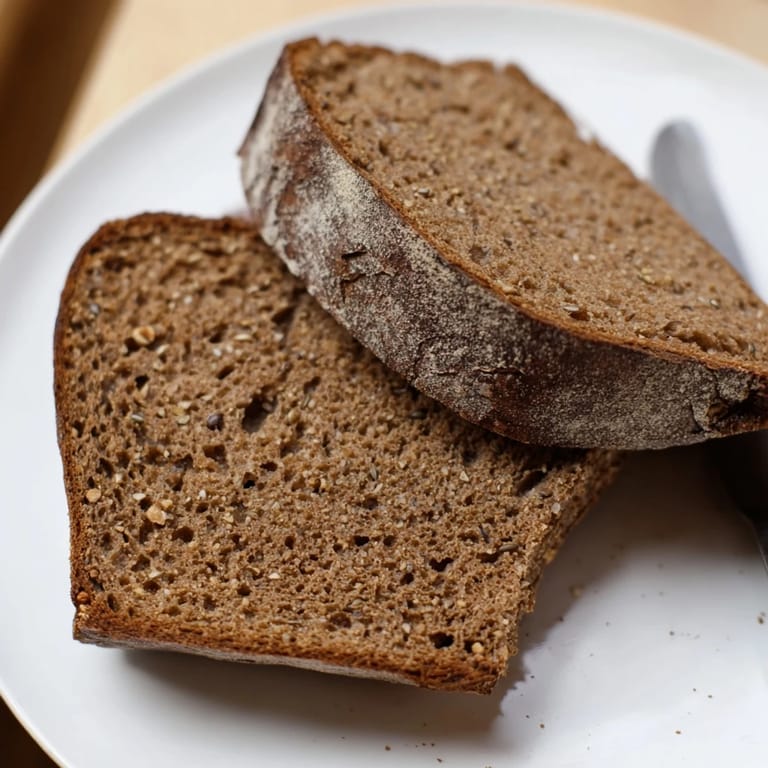
I made this bread for the first time during a winter snowstorm when my partner was stuck at home, and we spent the afternoon playing cards while it rose, the kitchen getting warmer and smelling better by the hour. When we finally pulled it from the oven and sliced into that dark, moist crumb, still steaming, we just stood there in silence with butter melting on our pieces. Food rarely feels that earned, that worth the wait.
Ingredients
- Dark rye flour (500 g): This is the backbone of rupjmaize—use true rye flour, not a blend, and don't skimp. It gives the bread its dense texture and earthy, slightly nutty flavor that makes this bread unmistakably Latvian.
- Bread flour (100 g): A small amount of bread flour helps strengthen the dough just enough to support the heavy rye without making it tough or dense as a brick.
- Active dry yeast (1 packet, 7 g): The long rise means you don't need much yeast—a single packet is perfect and lets the flavors develop naturally instead of rushing.
- Warm water (350 ml): Blood warm, not hot; if it steams your hand, it'll kill the yeast, so give it a quick temperature check before mixing.
- Molasses or dark honey (2 tbsp): Both work beautifully; molasses gives a deeper, almost mineral sweetness while honey is lighter and brighter. I've made it both ways and they're equally good.
- Salt (2 tsp): Don't reduce this—salt is essential for flavor and helps control fermentation in rye dough.
- Caraway seeds (2 tsp): These seeds are quintessentially Latvian; if you toast them lightly in a dry pan first, they release an extra layer of warmth and spice.
- Vegetable oil (1 tbsp, plus extra): Rye dough needs oil to develop properly; it keeps the crumb moist and helps the dough handle without sticking to everything.
Tired of Takeout? 🥡
Get 10 meals you can make faster than delivery arrives. Seriously.
One email. No spam. Unsubscribe anytime.
Instructions
- Bloom the yeast:
- Combine warm water, molasses, and yeast in a large bowl and let it sit for 10 minutes until it's foamy on top. This gentle start tells you the yeast is alive and ready to work.
- Build the dough:
- Add rye flour, bread flour, salt, and caraway seeds to the yeast mixture and stir with a wooden spoon until everything comes together into a sticky, shaggy mass. Rye dough is naturally wetter than wheat dough—trust this, don't panic, and don't add more flour.
- Knead gently:
- Drizzle in the oil and knead by hand or with a dough hook for 5 to 7 minutes until the dough becomes smooth and elastic. It will still feel sticky; this is exactly right and makes for that tender, moist crumb you're after.
- First rise:
- Shape into a ball, place in an oiled bowl, cover with plastic wrap or a damp towel, and let it rise at room temperature for 12 to 16 hours. This long, cool rise is where the magic happens—flavors deepen, and the dough develops character.
- Shape and second rise:
- Punch down the dough, turn it onto a floured surface, and shape into a round or oval loaf. Place on parchment paper or in a greased loaf pan, cover loosely, and let rise for 45 to 60 minutes until it's noticeably puffy and springs back slowly when you press it.
- Prepare for baking:
- While the dough rises, preheat your oven to 220°C (425°F). Dust the top of the loaf generously with rye flour, and if you like, score it with a sharp knife for a rustic look.
- Bake until deeply golden:
- Bake in the center of the oven for 45 to 50 minutes until the crust is dark brown and the loaf sounds hollow when tapped on the bottom. The dark crust isn't burnt—it's exactly what you want.
- Cool completely:
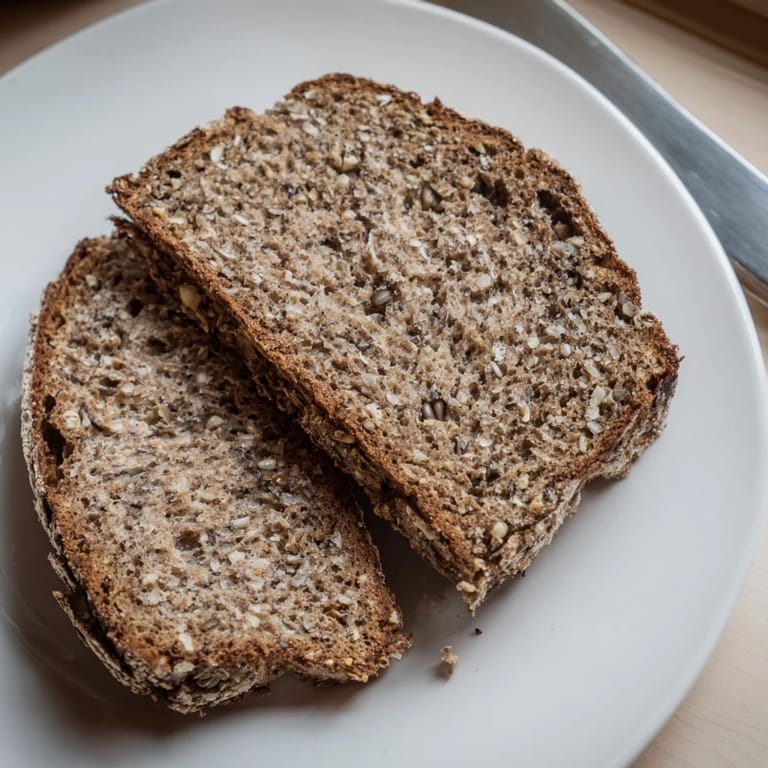
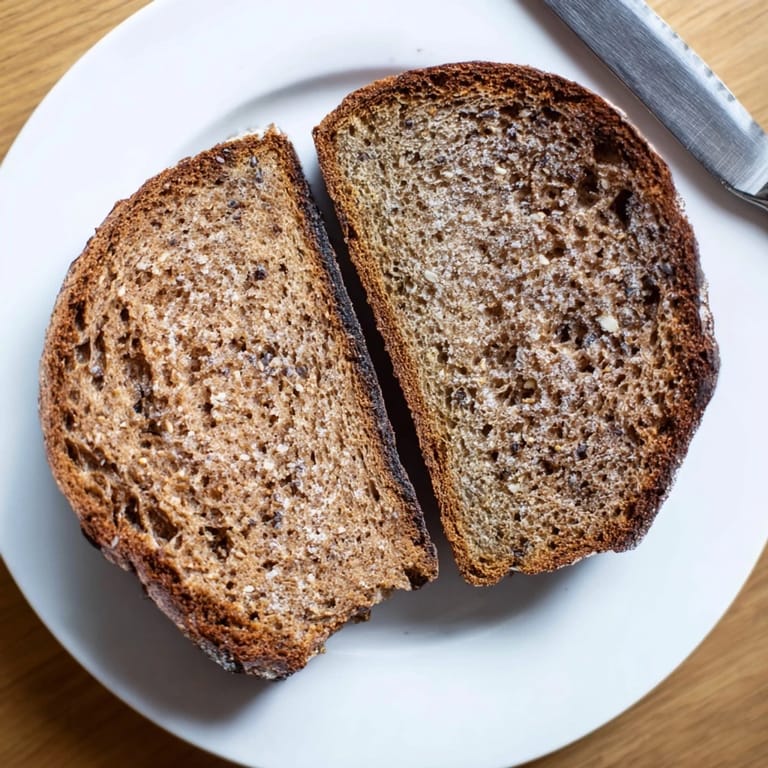
- Let the bread cool all the way on a wire rack before slicing; this lets the inside set properly and makes slicing clean and easy. Slice and toast before serving for the most authentic, wonderful experience.
 Save
Save My friend came over the morning after I'd baked a loaf, and the first thing she did was cut a thick slice, toast it golden, and spread it with salted butter while standing at the counter. She didn't say much, just closed her eyes while she ate, and that moment told me everything about why this bread matters—it's the kind of simple, honest food that makes people pause.
Why Rye Bread Matters
Rye has fed people in Northern Europe for centuries, especially in Latvia where wheat doesn't grow as easily. There's something grounding about making bread from such humble ingredients and such an old recipe—it connects you to your kitchen heritage whether or not you have one. This bread tastes like resilience and tradition, which sounds poetic until you actually taste it and realize it just tastes better than most bread you've ever had.
Serving and Storage
Rupjmaize is at its best sliced thick and toasted, spread with salted butter, or served alongside creamy cheeses, smoked fish, or rich vegetable soups. The bread keeps well for several days in a bread box or wrapped loosely, and it freezes beautifully for months—slice it first so you can toast pieces straight from the freezer whenever you want. Cold butter melting into warm toast from this bread is a small joy that costs almost nothing but tastes like abundance.
Flavor Variations and Personal Touches
Once you've made this bread a few times, you'll start hearing the ingredients talk to you. Some mornings I toast the caraway seeds before adding them, which brings out a deeper, almost nutty warmth that changes the whole loaf. Other times I use a touch more molasses for something closer to sweet, or I add a tablespoon of cocoa powder (a trick I learned from a baker in Lithuania) for complexity that nobody can quite name but everyone notices.
- Toast caraway seeds in a dry pan for two minutes to wake up their spice and depth.
- A small spoonful of instant coffee powder adds richness without making the bread taste like coffee.
- This bread pairs perfectly with soups, stews, cheese, smoked salmon, or honestly just butter and a good book on a quiet morning.
 Save
Save Rupjmaize is a bread that rewards patience and returns that patience with flavor and comfort in equal measure. Make it when you have time to let it rise, slice it when you've let it cool completely, and notice how something so simple becomes so nourishing.
Recipe Questions & Answers
- → What type of flour is used in Rupjmaize bread?
It combines dark rye flour with some bread flour to achieve the characteristic dense yet elastic texture.
- → Why are caraway seeds added?
Caraway seeds impart a distinctive, aromatic flavor that complements the deep rye taste and enhances tradition.
- → How long should the dough rise?
The dough requires a long, slow rise of 12 to 16 hours at room temperature, followed by a shorter second rise before baking.
- → What temperature is best for baking?
Baking at 220°C (425°F) ensures a robust crust and thorough cooking of this dense rye loaf.
- → Can the bread be toasted before serving?
Yes, slicing and toasting bring out the bread's nutty flavors and enhance texture, making it ideal for various toppings.
- → Is it possible to freeze this bread?
Freezing is effective; slice the loaf beforehand for easy toasting after thawing.