 Save
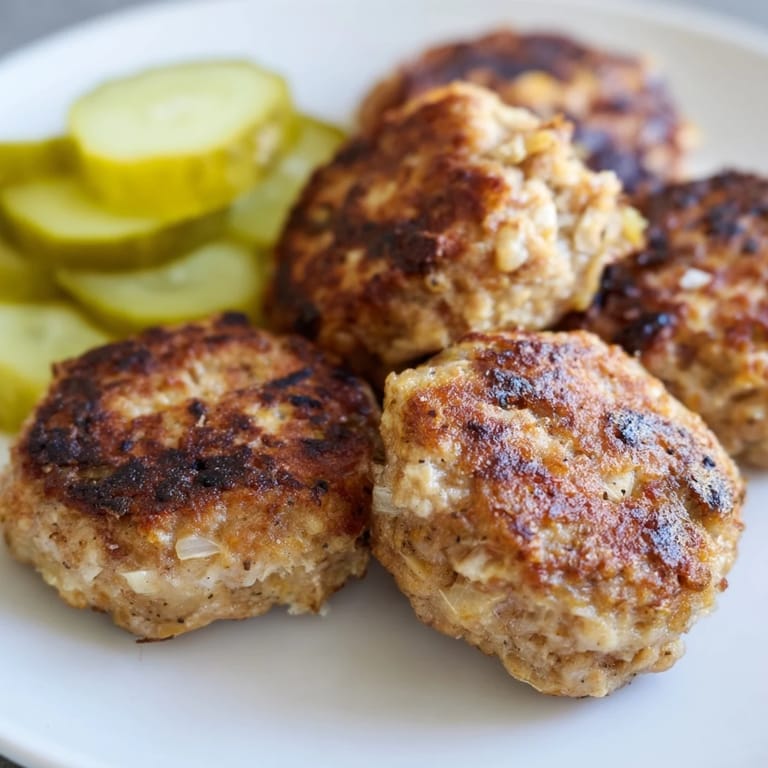
Save My neighbor brought over a platter of frikadeller one winter evening, still warm and fragrant with butter. I had no idea what they were, but the golden crust and tender inside won me over instantly. She taught me her method the next weekend, and I've been making them ever since. There's something deeply comforting about shaping each meatball by hand, the way the mixture firms up just right when it rests. They've become my go-to when I want something hearty without any fuss.
I made these for a small dinner party once, and everyone kept asking what made them so flavorful. It wasn't anything fancy, just the grated onion and a little allspice doing their quiet work. One guest ate four and apologized, but I took it as the highest compliment. That night taught me that simple food, done well, never needs an apology.
Ingredients
- Ground pork: The base of the meatball, and its fat content keeps everything moist and rich during frying.
- Grated onion: Adds moisture and sweetness without chunks, blending seamlessly into the meat.
- Egg: Binds everything together so the meatballs hold their shape in the pan.
- Whole milk: Loosens the mixture just enough to keep it tender, not dense.
- Breadcrumbs: Soak up the milk and create that classic soft texture inside.
- Salt, pepper, and allspice: The holy trio of Danish seasoning, with allspice lending that unmistakable warmth.
- Butter and oil: Butter for flavor, oil to keep it from burning, a perfect frying duo.
- Danish pickles: The sharp, tangy contrast that cuts through the richness beautifully.
Tired of Takeout? 🥡
Get 10 meals you can make faster than delivery arrives. Seriously.
One email. No spam. Unsubscribe anytime.
Instructions
- Mix the meatball base:
- Combine the pork, onion, egg, milk, breadcrumbs, and spices in a large bowl. Use your hands or a spoon to blend until it feels sticky and cohesive, like soft dough.
- Let it rest:
- Cover the bowl and let the mixture sit for 10 minutes. This gives the breadcrumbs time to swell and the flavors to meld.
- Shape the frikadeller:
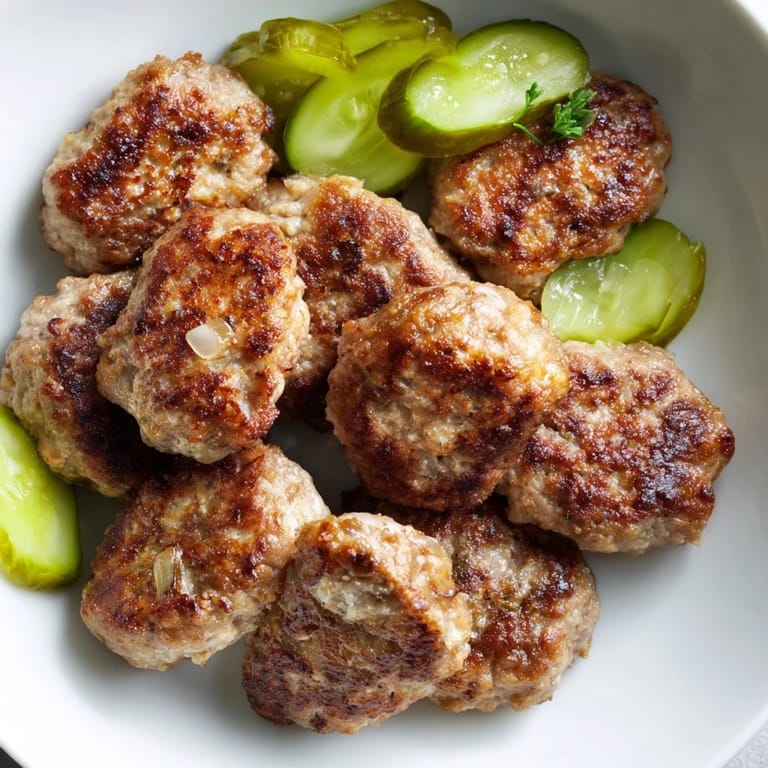
- Wet your hands and form the mixture into oval or round patties, about golf ball size. You should get around 12 to 14 pieces.
- Heat the pan:
- Melt the butter with the oil in a large skillet over medium heat. Wait until it sizzles gently before adding the meatballs.
- Fry until golden:
- Place the meatballs in the pan without crowding, then flatten them slightly with a spatula. Cook for 4 to 5 minutes per side until they're deeply browned and cooked through.
- Drain and serve:
- Transfer the finished frikadeller to a paper towel lined plate. Serve them hot with pickles, rye bread, or boiled potatoes on the side.
 Save
Save I remember making these on a rainy Sunday, the kitchen steamy and warm, the smell of butter filling every corner. My daughter wandered in and asked if she could help flip them, and we stood there together, spatula in hand, watching them turn golden. It wasn't a special occasion, just an ordinary afternoon, but it felt like one of those moments you tuck away and keep.
How to Get the Best Texture
The secret is in the milk and breadcrumbs working together to create softness without making the meatballs fall apart. I learned not to overmix, just enough to bring everything together, or they can get tough. A light hand and a little patience go a long way here.
Serving Suggestions
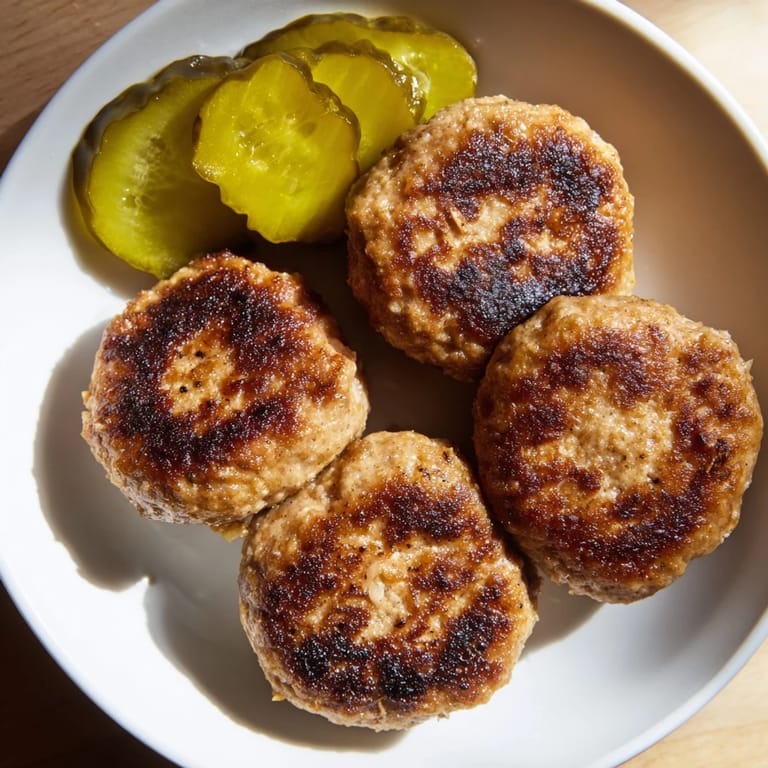
I love serving these with tangy pickled cucumbers and a slice of dark rye bread, the way my neighbor did. You can also pair them with creamy potato salad, red cabbage, or even just boiled potatoes with a dab of butter. They're versatile enough to fit into a casual weeknight or a cozy weekend spread.
Storage and Leftovers
Frikadeller keep well in the fridge for up to three days, and they're wonderful cold or reheated gently in a pan. I've tucked them into rye bread sandwiches with mustard and pickles for lunch the next day. You can also freeze them after cooking, just let them cool completely first and stack them with parchment in between.
- Reheat in a skillet over low heat to keep the crust crisp.
- Freeze for up to two months in an airtight container.
- Cold frikadeller make an excellent packed lunch with pickles and bread.
 Save
Save These meatballs have a way of turning an ordinary meal into something you look forward to all day. I hope they bring as much warmth to your table as they have to mine.
Recipe Questions & Answers
- → What meat is used for Danish pork meatballs?
The meatballs primarily use ground pork, although a mix of pork and veal can create a lighter texture.
- → How are the meatballs shaped?
Using wet hands, shape the mixture into oval or round forms about the size of a golf ball, typically 12 to 14 pieces.
- → What frying method is recommended?
Pan-fry the meatballs in butter and neutral oil over medium heat, flattening slightly and cooking 4–5 minutes per side until golden brown.
- → What side items complement these meatballs?
Danish pickles add a tangy contrast, and rye bread or boiled potatoes can be served optionally for a more filling meal.
- → Can allspice be omitted?
Yes, allspice is optional but adds authentic Danish flavor.