 Save
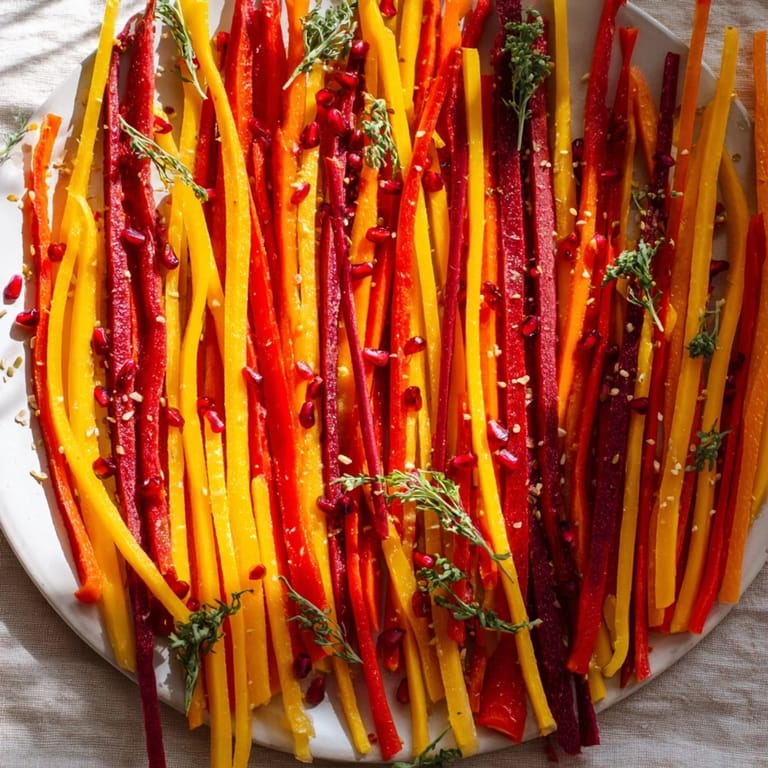
Save I discovered this centerpiece by accident during a late autumn gathering at my sister's farmhouse. The evening had turned chilly, and as we gathered around the patio table, I found myself arranging leftover vegetables on a plate—carrots, peppers, mandarins—without really thinking about it. Someone gasped and said it looked like a bonfire, and that simple observation transformed a humble appetizer into the most talked-about dish of the night. Now, whenever I want to bring warmth and wonder to a table, I recreate that moment with this vibrant arrangement.
I'll never forget the moment my five-year-old niece reached for a carrot stick and said, "It's like eating the fire!" Her delight made me realize that this dish isn't just about feeding people—it's about creating a memory, a visual story on the plate that sparks joy before anyone takes a bite.
Ingredients
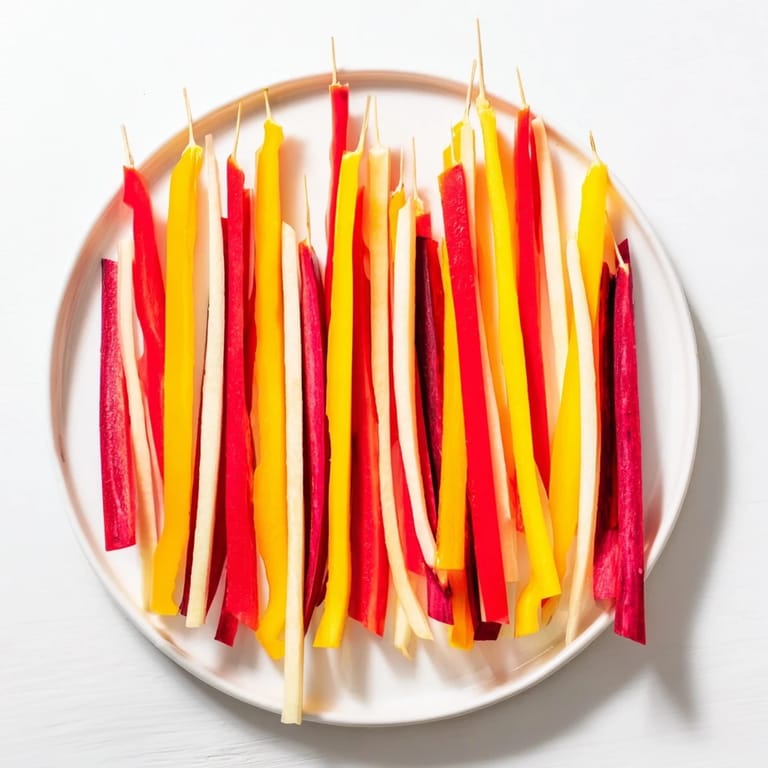
- Carrots (2 large, peeled and cut into long thin sticks): These form the golden heart of your bonfire. I've learned that long, thin sticks create the illusion of flames reaching skyward, and the natural sweetness of carrots is key to the overall flavor balance.
- Yellow bell pepper (1, seeded and sliced into strips): This is where the bright, cheerful glow comes from. Yellow peppers are sweeter than their green cousins and add a subtle crunch that makes the arrangement feel alive.
- Red bell pepper (1, seeded and sliced into strips): The deep red is essential for depth and drama—it's the hottest part of the flame. Choose a pepper with even color for the best visual impact.
- Mandarins (3, peeled and segmented): These little jewels provide both color and authentic citrus flavor. Their natural dimpled texture catches the light beautifully and adds an unexpected freshness when eaten.
- Fresh parsley or mint sprigs (for bonfire embers): These green touches ground the arrangement and prevent it from feeling too candy-like. Fresh herbs add an earthy contrast that makes the dish feel intentional and thoughtful.
- Pomegranate seeds (1 small handful, optional): If you can find them, these are your secret shimmer—they add jewel-like sparkle and a tart pop that keeps people reaching for more.
- Hummus or yogurt-based dip (1/2 cup, for serving on the side): This is optional but transforms the arrangement from decoration into a true appetizer. I prefer creamy hummus for its earthiness, though a tangy yogurt dip works beautifully too.
Tired of Takeout? 🥡
Get 10 meals you can make faster than delivery arrives. Seriously.
One email. No spam. Unsubscribe anytime.
Instructions
- Set Up Your Stage:
- Clear a large, round serving plate—this is your canvas. Have all your vegetables cut and ready before you begin arranging. There's something meditative about having everything prepped, knowing you're just moments away from creating something beautiful.
- Build the Base:
- Stand your carrot sticks vertically in the center of the plate, leaning them together like a teepee. This creates the structural heart of your bonfire. Press them down gently so they feel anchored and stable.
- Layer the Flames:
- Now comes the creative part—weave yellow and red pepper strips among the carrot sticks. Don't be perfectly neat; real flames flicker and dance unevenly. Mix the colors randomly, letting some yellow peek through, then a flash of red. Step back occasionally to see how it looks from across the table.
- Add the Glow:
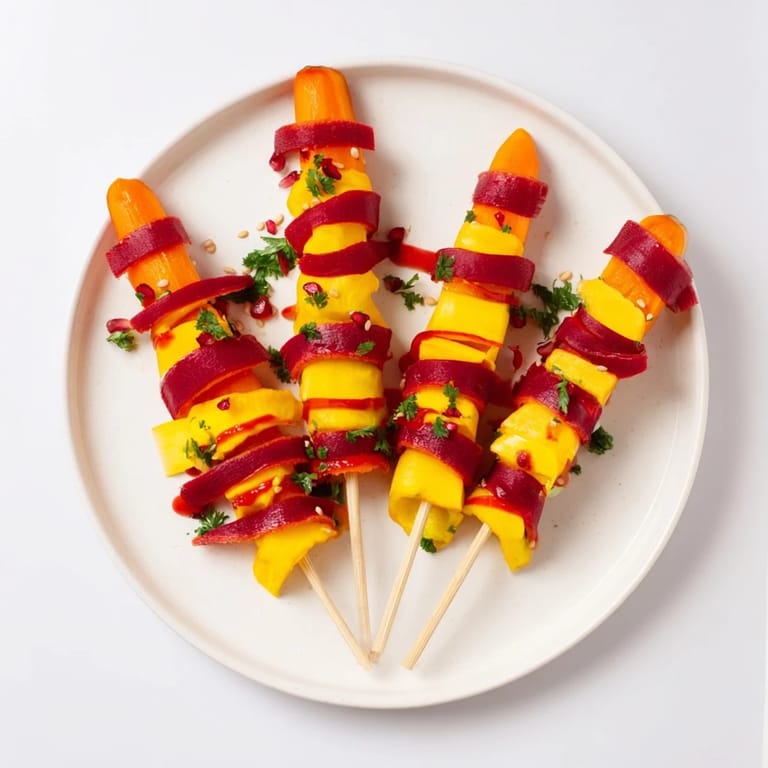
- Tuck mandarin segments at various heights around the arrangement. Nestle some near the base to suggest warmth rising from below, and place others higher up to create dimension. These little orange jewels are what transform the arrangement from veggie platter into edible art.
- Frame with Greenery:
- Scatter fresh parsley or mint sprigs around the base. These represent ash and embers, grounding the warm colors with earthy green. This detail is what makes people say, "Oh, that's so clever!"
- The Final Touch:
- If you have pomegranate seeds, sprinkle them sparingly over the top—just enough to catch the light and make people lean in closer. This step is entirely optional, but it's the difference between "nice" and "wow."
- Serve with Intent:
- Place a small bowl of dip nearby if you're serving it. The arrangement itself is the main attraction, so let it take center stage. Your guests will understand what to do when they see it.
 Save
Save During a winter dinner party, someone asked why I'd made such an elaborate centerpiece. I explained it was raw vegetables arranged like a bonfire, and without hesitation, they asked if they could try it. I handed them a carrot stick, and as they bit into it, their eyes lit up in a way that had nothing to do with the crunch or the flavor. It was the joy of eating something beautiful. That's when I truly understood what this dish meant.
Making It Your Own
This arrangement is endlessly adaptable depending on what you have on hand and what colors speak to you. I've experimented with golden beets for deeper orange tones, yellow carrots for a softer look, and even thin slices of jicama for unexpected white streaks that look like smoke. The structure remains the same—vertical sticks in the center, colored layers around them—but the palette becomes your own interpretation of warmth and light.
Serving Moments and Pairings
This centerpiece shines at casual gatherings where people want to graze and linger. I've served it at autumn potlucks, winter cocktail parties, and even children's celebrations where it became the most popular item on the table. Pair it with crisp white wine if you're leaning into elegance, or a citrusy mocktail for a refreshing, non-alcoholic option. If you're serving it with sliced baguette or assorted crackers, arrange them on the side so they don't compete with the visual centerpiece. The dip sits in its own small bowl, ready for people to load up vegetables or bread as they wish.
Storage and Make-Ahead Tips
The beautiful truth about this dish is that it's meant to be eaten fresh. However, if you're hosting and need to prepare components ahead, cut your vegetables and store them separately in airtight containers. Keep them in the refrigerator, and assemble the arrangement no more than two hours before guests arrive. The carrots and peppers will stay crisp, and the mandarins will maintain their juiciness. This way, you can spend your hosting energy on other dishes and still deliver a show-stopping centerpiece.
- Always assemble on a dry plate to prevent your arrangement from sliding around or looking wet and limp
- If you're making this for a child's party, skip the pomegranate seeds and any small choking hazards, but keep the vibrant colors—kids love edible art
- The dip can be made up to a day ahead, which is one less thing to worry about when people are arriving
 Save
Save This dish taught me that sometimes the most memorable foods aren't about complex techniques or rare ingredients—they're about seeing something ordinary with fresh eyes and transforming it into something that makes people smile. The next time you're hosting, give yourself permission to skip the complicated recipes and reach for the sharp knife and the beautiful produce instead.
Recipe Questions & Answers
- → How do I create the bonfire flame effect?
Cut carrots and bell peppers into long, thin sticks and arrange them vertically in a teepee shape. Layer colors alternately to mimic flickering flames.
- → Can I add other vegetables for more color?
Yes, thin strips of golden beet or yellow carrots can enhance the color variation while maintaining the theme.
- → What garnishes replicate the bonfire embers?
Fresh parsley or mint sprigs placed around the base simulate green embers, while pomegranate seeds add bright sparkle.
- → Is cooking required for this centerpiece?
No cooking is needed. All ingredients are served fresh and raw for a crisp texture and vibrant appearance.
- → What dips pair well with this arrangement?
Hummus or yogurt-based dips complement the fresh, crisp vegetables and fruits, enhancing the overall flavor experience.