 Save
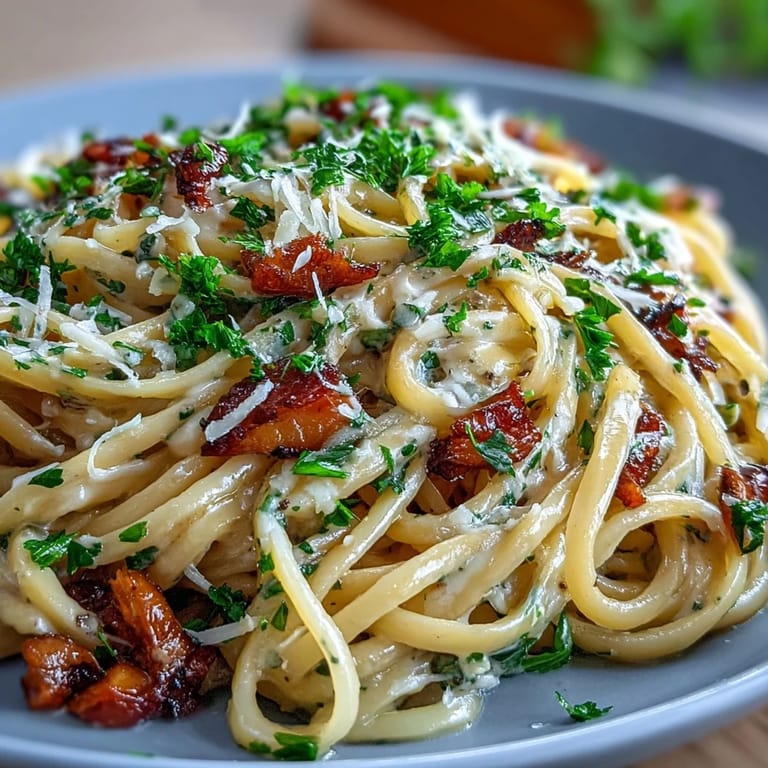
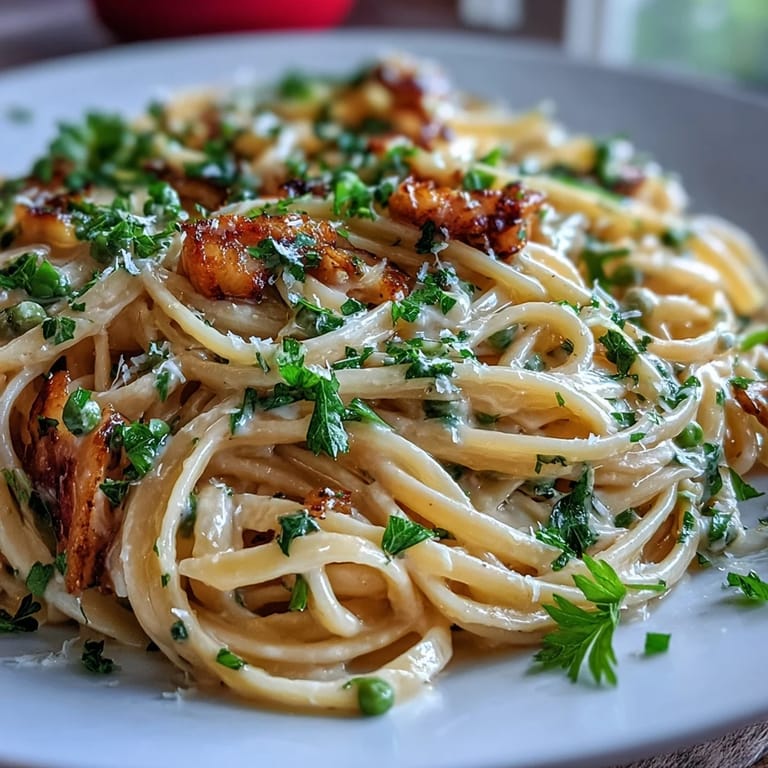
Save My neighbor knocked on my door one April evening with a bag of fresh peas from her garden, and I had maybe twenty minutes before guests arrived. I'd never thought twice about peas before that night, but something about their bright green color and the way she described picking them that morning made me want to do them justice. A stick of butter, half a lemon from my fruit bowl, and some pasta I had on hand became the most unexpectedly elegant dinner I'd served in years. Now whenever spring hits, this is the first thing I make.
I served this to my partner after a long day when we were both too tired for anything complicated, but I wanted something that felt special. The smell of melting butter and lemon filled the kitchen in such a way that by the time we sat down with our bowls, the whole mood of the evening had shifted. That's when I realized this dish has a quiet power to it, turning a simple Tuesday into something worth remembering.
Ingredients
- Linguine or spaghetti, 12 oz: Thin pasta works best here because it clings beautifully to the silky sauce without being heavy, though any shape you love will work just fine.
- Fresh or frozen green peas, 1 cup: Fresh peas taste like spring itself, but frozen ones are honestly just as good and sometimes even sweeter since they're picked at peak ripeness.
- Garlic, 2 cloves minced: Keep it finely minced and watch it like a hawk so it becomes fragrant and golden but never brown, or it'll turn bitter and ruin the whole vibe.
- Lemon zest and juice: The zest is where the real lemon flavor hides, so don't skip it even though the juice gets all the attention, and use a real lemon because bottled juice tastes flat here.
- Fresh parsley, 2 tbsp chopped: This goes in at the very end to keep it bright and fresh tasting, not cooked into submission.
- Unsalted butter, 4 tbsp: Good butter makes an enormous difference in a dish this simple, so splurge a little if you can.
- Grated Parmesan cheese, 1/2 cup: Grate it yourself from a block if possible because pre-shredded cheese has anti-caking agents that prevent it from melting smoothly into the sauce.
- Salt and black pepper: Taste as you go because the pasta water, cheese, and butter all contribute their own saltiness.
Tired of Takeout? 🥡
Get 10 meals you can make faster than delivery arrives. Seriously.
One email. No spam. Unsubscribe anytime.
Instructions
- Boil the pasta water:
- Fill a large pot with water and salt it generously so it tastes like the sea, then bring it to a rolling boil. You want plenty of water so the pasta has room to swim and cook evenly.
- Cook the pasta:
- Add your pasta and stir it right away so nothing sticks to itself. Cook it until it's just tender but still has a little bite to it, then scoop out and set aside about a cup of that starchy cooking water before you drain everything.
- Start the sauce:
- While the pasta's cooking, melt your butter in a large skillet over medium heat and watch it foam and smell nutty and wonderful. Add your minced garlic and let it cook for just about a minute until it's fragrant but still pale, because the moment it starts to brown you've gone too far.
- Cook the peas:
- Toss in your peas and stir them around for a couple of minutes if they're fresh, or just until they're heated through if they're frozen. They should still have a little snap to them, not mushy.
- Add the brightness:
- Pour in your lemon juice and sprinkle the zest all over, stirring so every bit gets incorporated and the whole skillet smells like a sunny day. Taste the sauce at this point and you'll get a preview of how good this is going to be.
- Bring pasta and sauce together:
- Add your drained pasta to the skillet along with about half a cup of that reserved pasta water, then toss everything together so the starch from the water and the butter start creating a silky sauce. The pasta will continue cooking a tiny bit more in the sauce, which is exactly what you want.
- Finish with cheese and seasoning:
- Sprinkle in your Parmesan, salt, and pepper, then toss and toss until the cheese melts and everything becomes creamy and luxurious. If it looks too thick, add a splash more pasta water until the sauce coats the pasta like it's meant to be there.
- Final touch:
- Take the skillet off the heat, stir in your fresh parsley, taste and adjust anything that needs adjusting, then serve it immediately while it's still steaming.
 Save
Save There was this moment when I served this to my sister who's always criticizing my cooking, and she got quiet in that way that means she's actually impressed. She asked if I'd added cream, and when I told her it was just butter and pasta water, she looked at the bowl like it had performed a magic trick. That's when I understood why this dish has stayed in my regular rotation ever since.
The Magic of Pasta Water
When I first started cooking, I would drain my pasta and watch all that starchy water go down the sink without thinking twice about it. Now I know that water is liquid gold in the kitchen, especially in a dish like this where you're trying to create a sauce from just butter and cheese. The starch acts like an emulsifier, helping the fat and liquid become one silky, clinging sauce instead of separating into slick and dry. It's one of those small things that separates a good pasta dish from one that feels restaurant-quality, and it costs you nothing extra.
Choosing Your Lemon Wisely
I learned the hard way that not all lemons are created equal when I used a really old one from the bottom of my fruit bowl and the dish tasted muted and flat. Now I pick lemons that feel heavy for their size and have smooth, thin skin, because those tend to be juicier and more flavorful. The fragrance test matters too—if it doesn't smell bright and lemony when you hold it to your nose, it's probably been sitting around too long.
Ways to Make It Your Own
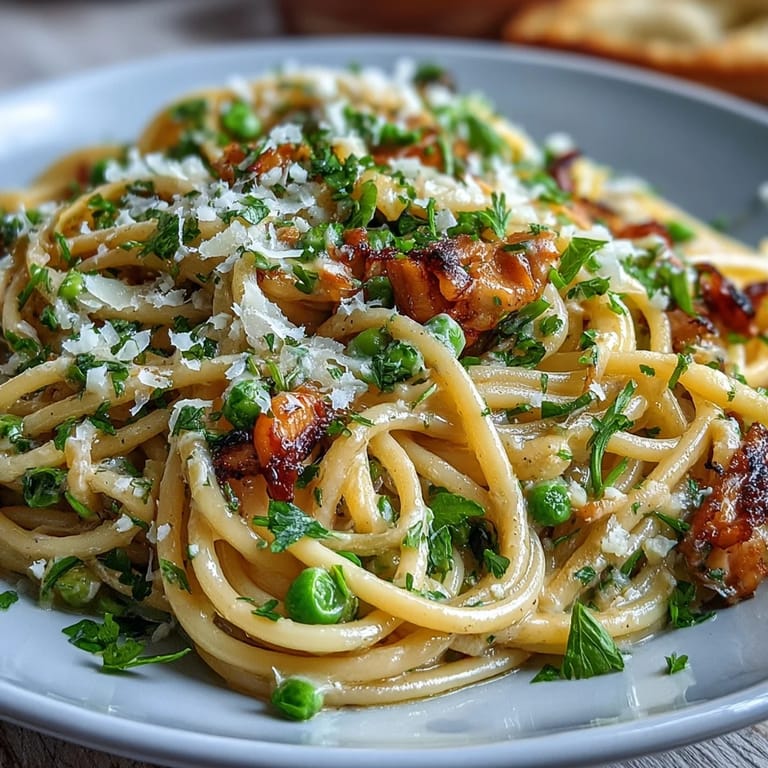
This recipe is honest and straightforward, but it's also a beautiful canvas if you want to play around a little. I've added everything from crispy pancetta to grilled shrimp to handfuls of arugula, and every version has been delicious because the lemon-butter foundation is solid. The key is not to overcomplicate it, because part of what makes this special is how it proves that simple ingredients in the right proportions can be absolutely stunning.
- Stir in some sautéed shrimp or grilled chicken if you want more protein without changing the essential character of the dish.
- A handful of baby spinach or peppery arugula added with the peas brings earthiness and texture without overwhelming the bright flavors.
- If you want richer depth, substitute half the butter with good olive oil and you'll get a slightly different but equally satisfying sauce.
 Save
Save This pasta has become my go-to when I want to feel like I'm taking care of people without spending all evening in the kitchen. There's something deeply satisfying about a dish this simple that tastes this good.
Recipe Questions & Answers
- → Can I use frozen peas instead of fresh?
Yes, frozen peas work well. Just cook them a few minutes longer until heated through and tender.
- → What pasta types work best for this dish?
Linguine or spaghetti are ideal but feel free to use any long pasta you prefer.
- → How can I make the sauce creamier?
Reserve some pasta cooking water and add it gradually to the sauce while tossing to achieve a smooth, creamy texture.
- → Is this dish suitable for vegetarians?
Yes, it uses butter and Parmesan, making it a vegetarian-friendly option.
- → What are some good additions to enhance flavor?
Try adding baby spinach, arugula, or substituting half the butter with olive oil for richer taste.
- → How should I store leftovers?
Keep leftovers in an airtight container in the fridge and reheat gently to maintain the sauce’s creaminess.