 Save
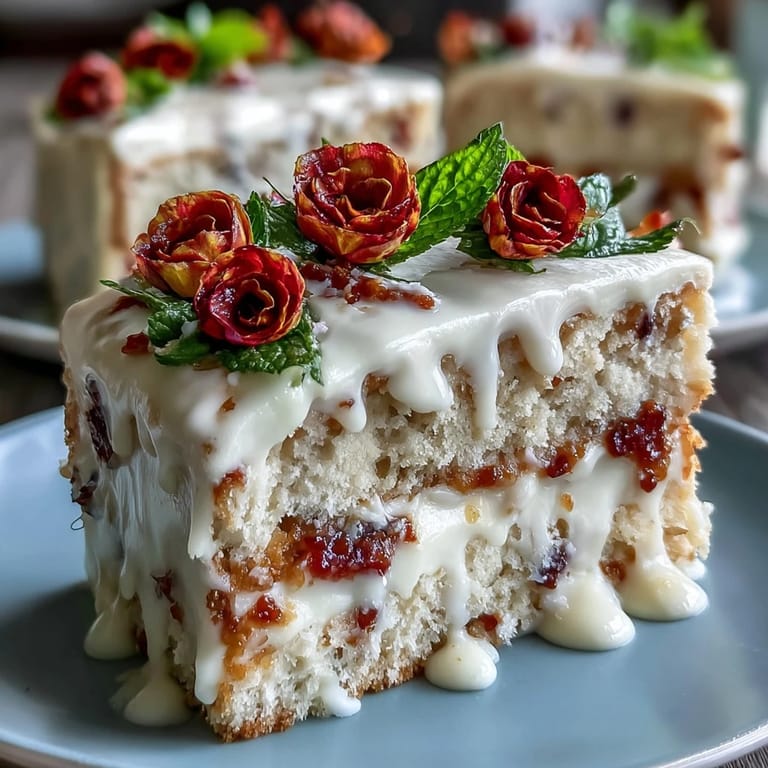
Save My cousin called me in a panic two days before her graduation, asking if I could make something special for her celebration dinner. I'd never piped roses before, but there was something about the urgency in her voice that made me say yes immediately. That first cake taught me that buttercream flowers aren't about perfection—they're about showing up for someone and making them feel seen. Now, whenever I make this vanilla sheet cake, I think about how the simplest flavors can hold the biggest moments.
I'll never forget watching my cousin's face when she saw this cake at her party—the way she ran her finger along one of the roses and laughed, saying it was too pretty to eat. Her friends were taking pictures before anyone even cut into it. That's when I realized this recipe isn't just about feeding people; it's about creating a moment they'll remember.
Ingredients
- All-purpose flour (3 cups): This is the backbone of your cake, and room-temperature ingredients really do matter here—they blend together more smoothly, creating a finer crumb.
- Baking powder and baking soda (2½ tsp and ½ tsp): These work together to give your cake that tender, cloud-like texture; don't skip the soda or your cake will taste flat.
- Salt (½ tsp): Just enough to make the vanilla sing without tasting salty—this tiny amount is your secret weapon.
- Unsalted butter, room temperature (1 cup for cake, 1½ cups for frosting): Cold butter won't cream properly, so take it out an hour before you start; this matters more than you'd think.
- Granulated sugar (2 cups): Mix this with butter until it looks pale and fluffy—this aeration is what gives your cake its tender crumb.
- Eggs, room temperature (4 large): They emulsify the batter and add richness; cold eggs can break your emulsion and create a grainy texture.
- Vanilla extract (1 tbsp plus 2 tsp): Use pure vanilla, not imitation—it makes a noticeable difference in a cake this simple.
- Whole milk, room temperature (1¼ cups): The alternating method with flour keeps the batter from becoming tough; trust the process.
- Powdered sugar, sifted (6 cups): Sift it even if it seems tedious, or your buttercream will have little lumps that catch light and ruin the smooth finish.
- Gel food coloring (assorted): Gel colors won't thin out your buttercream like liquid colors do, and the shades stay vibrant without looking washed out.
Tired of Takeout? 🥡
Get 10 meals you can make faster than delivery arrives. Seriously.
One email. No spam. Unsubscribe anytime.
Instructions
- Preheat and prepare:
- Get your oven to 350°F and line your sheet pan with parchment paper—this prevents sticking and makes cleanup almost pleasant. A 12x18-inch pan is the right size for 24 servings, so don't try to squeeze this into a smaller pan.
- Combine your dry ingredients:
- Whisk flour, baking powder, baking soda, and salt together in a bowl so everything is evenly distributed. This takes less than a minute and saves you from pockets of baking soda that taste bitter.
- Cream butter and sugar:
- Beat them together for 3-4 minutes until the mixture is pale, fluffy, and looks almost like wet sand. This is where the magic happens—you're aerating the batter, which gives your cake its tender structure.
- Add eggs one at a time:
- Drop each egg in individually and beat well after each one; this prevents the batter from looking curdled and greasy. If it does look split, don't panic—keep beating and it'll come back together.
- Mix in vanilla:
- One tablespoon goes in now, and it fills your kitchen with that vanilla warmth that makes baking feel like celebration.
- Alternate flour and milk:
- Start with flour, then milk, then flour again, always ending with flour—this keeps your batter smooth and prevents overmixing. Mix just until combined; overmixing develops gluten and makes the cake tough.
- Bake the cake:
- Spread batter evenly into your pan and bake for 30-35 minutes until a toothpick comes out clean. The cake should spring back slightly when you touch the center.
- Cool completely:
- Let it cool in the pan first, then turn it out onto a rack; this prevents it from breaking apart while still warm.
- Make the buttercream:
- Beat butter until it's pale and creamy, then gradually add sifted powdered sugar so it doesn't puff up everywhere. Add milk and vanilla, then beat for about 5 minutes until it's fluffy enough to pipe.
- Tint your colors:
- Divide buttercream into bowls and add gel coloring drop by drop—gel is concentrated, so a tiny bit goes a long way. Mix well so colors are even throughout.
- Base layer:
- Spread a thin layer of white buttercream over the cooled cake to seal in crumbs and create a smooth surface for piping. An offset spatula makes this easier.
- Pipe your roses:
- Fit piping bags with petal tips and pipe roses starting from the outside edges or corners, working your way across. If your first few look wonky, that's how everyone's first roses look—keep going and they get better.
- Add leaves and details:
- Use a leaf tip with green buttercream to pipe leaves between roses, then add your personalized message with a small round tip and white or contrasting color. Step back often to see how it looks from a distance.
 Save
Save My aunt asked me to make this cake for a surprise party last summer, and I spent the afternoon piping roses while my kids watched cartoons nearby. One of them asked if I was nervous, and I realized I wasn't—somewhere between my first wobbly rose and now, this had become something I did with ease. That's the gift of making this cake a few times: you stop thinking about whether it'll work and just enjoy creating something beautiful.
Why This Cake Works for Celebrations
Vanilla cake has this quiet elegance that gets overshadowed by chocolate, but it's the perfect blank canvas for piped flowers and personalized messages. It stays moist for days, which means you can bake it the day before and decorate the morning of the party. The buttercream roses are the real showstopper—they look sophisticated enough to impress, but they're forgiving enough that imperfections read as charm rather than mistakes.
Variations and Flavor Swaps
If vanilla feels too simple, swap ¾ cup of flour for ¾ cup of unsweetened cocoa powder for a chocolate version that still feels elegant. You could also add a teaspoon of almond extract or lemon zest to the batter for subtle flavor shifts. The buttercream takes tinting beautifully, so you can match your roses to the graduate's school colors or favorite palette.
Storage and Make-Ahead Tips
Bake the cake up to two days ahead and wrap it well at room temperature, or refrigerate it for up to five days—it actually becomes moister as it sits. You can make buttercream the day before and store it in an airtight container at room temperature; just give it a quick beat with the mixer before piping to fluff it back up. If your kitchen is warm, keep the frosted cake in the refrigerator until an hour before serving so the roses hold their shape.
- Pipe the roses on the morning of your party for the freshest look and crispest definition.
- Keep piping bags in the refrigerator if your butter starts to soften while you're working.
- A turntable isn't necessary for a sheet cake, but an offset spatula makes spreading that base layer infinitely easier.
 Save
Save This cake has shown up at three graduations now, and each time it arrives with a story—the person who made it, the moment it was decorated, the hands that frosted it. That's what makes it special.
Recipe Questions & Answers
- → How is the cake kept moist?
The cake includes whole milk and unsalted butter, which together maintain moisture and tenderness throughout baking.
- → What makes the buttercream smooth and pipeable?
Beating unsalted butter until creamy before gradually adding sifted powdered sugar and milk creates a fluffy, smooth buttercream ideal for piping.
- → Can the floral decorations be customized?
Yes, gel food coloring is used to tint the buttercream in various shades, allowing for vibrant roses and leaves tailored to your preference.
- → What tools are recommended for decorating?
Piping bags fitted with petal, leaf, and round tips help create detailed buttercream roses and leaves on the cake surface.
- → Is there a chocolate option available?
You can replace ¾ cup of flour with cocoa powder for a chocolate-flavored variation while keeping the same method and decoration style.