 Save
Save The first time I caught a whiff of butterscotch bubbling away in my kitchen, I didn't expect it to become the backbone of a cake with such hidden depths. Something about the toasted brown sugar mingling with floral buttercream let loose an aroma that drifted right into the garden through my open window, urging me to toss a handful of fresh herbs onto the counter just to see what would happen. That afternoon was a neat blend of recipe improvisation and instinct, my kitchen table scattered with patchwork bowls tinted with matcha and beet powder, paints for an edible canvas. No meticulous plan—just a longing for something grounded, surprising, and a bit celebratory. The Taurus spirit, I realized, shows up best when you let your senses call the shots.
I once baked this cake for a spring birthday picnic, and the wind picked up just as I set it down, lifting ribbons of edible flower petals and sending their scent swirling around us. My friends kept laughing about how it looked like I'd made dessert straight from the backyard, and honestly, they weren't wrong. Halfway through the meal, we found ourselves debating which color swirl tasted the best—matcha, cocoa, or that delicate rose-lavender blend—each layer a new discovery. It’s the sort of cake that gets everyone talking and lingering for just one more sliver. Moments like that bring out the best in baking together.
Ingredients
- All-purpose flour: Gives the cake its sturdy yet tender crumb—sift it to keep things light.
- Baking powder & baking soda: These leaveners work in tandem for lift, but too much can dry things out, so measure carefully.
- Fine salt: Just a pinch sharpens the butterscotch sweetness and keeps flavors balanced.
- Unsalted butter (for both cake and sauce): Room temperature helps create that fluffy, aerated base; melt slowly for a silky butterscotch.
- Brown sugar: Packed brown sugar gives depth, and when cooked with butter it forms the butterscotch magic.
- Large eggs: Room temperature eggs blend more smoothly into the batter, avoiding streaks or curdling.
- Vanilla extract: Adds warm undertones—choose pure rather than imitation for best flavor.
- Sour cream or yogurt: Brings extra moisture and tang, creating that signature tender crumb.
- Whole milk: Keeps the cake rich without being heavy, and helps everything mix evenly.
- Butterscotch sauce: Use homemade for the biggest flavor impact; letting it cool before using is key.
- Powdered sugar: Sifted into the buttercream for extra-smooth, lump-free frosting.
- Rose water & dried lavender: Infuse a floral note—start with less, taste, then adjust so it never overwhelms.
- Natural colorants: Matcha, beet, cocoa, turmeric, and spirulina paint the layers with subtle earthiness; a little goes a long way.
- Edible flowers & fresh herbs: Not just for looks—their scents and textures give the cake its Taurus soul. Wash and dry before using.
- Gold leaf or dust (optional): Use just a touch for shimmer, never to overpower.
Tired of Takeout? 🥡
Get 10 meals you can make faster than delivery arrives. Seriously.
One email. No spam. Unsubscribe anytime.
Instructions
- Prep your pans and preheat:
- Set the oven to 350°F and line three 8-inch pans with parchment—this prevents sticking and makes for easy release later.
- Simmer the butterscotch sauce:
- Melt butter in a saucepan, add brown sugar and cook till it's glossy and caramel-scented; stirring in cream thickens everything into swoon-worthy gold. Cool it down before folding into your cake.
- Mix up the cake batter:
- Whisk the dry ingredients, then cream butter and brown sugar until pale and fluffy—you’ll hear the mixer change pitch as air gets whipped in.
- Add eggs and flavors:
- One by one, crack in eggs, followed by vanilla, beating after each; scrape the bowl to prevent missed streaks of unmixed sugar.
- Blend, alternate, and combine:
- Stir in the sour cream and butterscotch sauce, then add the dry mix and milk in turns, ending on flour for a tender crumb.
- Bake until golden:
- Divide the batter, smoothing tops, and bake for 28–35 minutes—your kitchen should fill with sweet, nutty aromas; cakes are done when a toothpick emerges clean.
- Cool the cakes:
- Let cakes sit in their pans for 10 minutes before turning them out; the wait gives them time to set and not crumble.
- Whip up the floral buttercream:
- Beat softened butter until it's pale, then slowly add powdered sugar, thinning with milk and stirring in rose water and lavender until the scent just teases the air.
- Tint your buttercream earth tones:
- Divide and swirl in natural colorants, using separate bowls—tiny pinches are enough for delicate shades.
- Assemble and decorate:
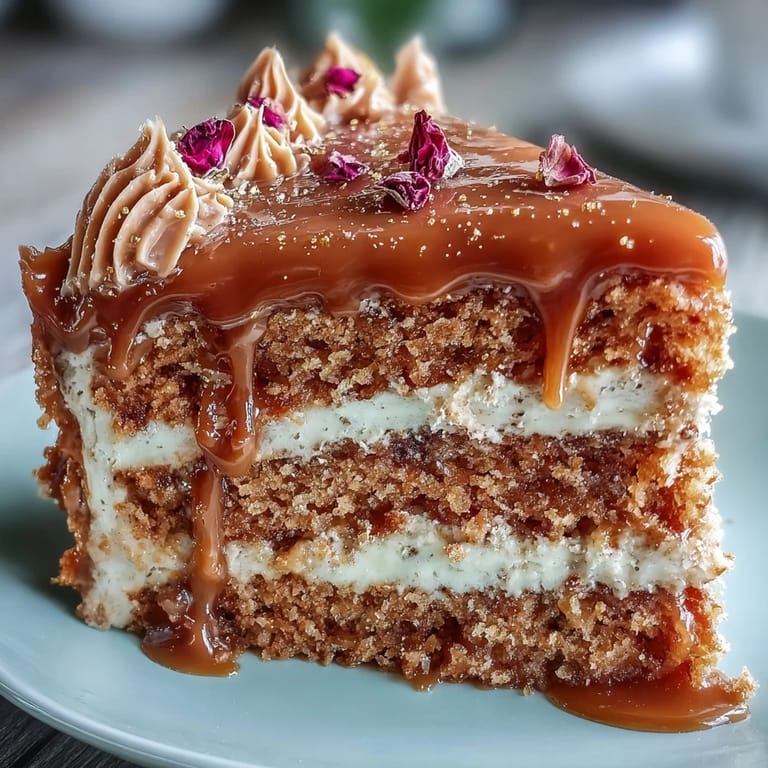
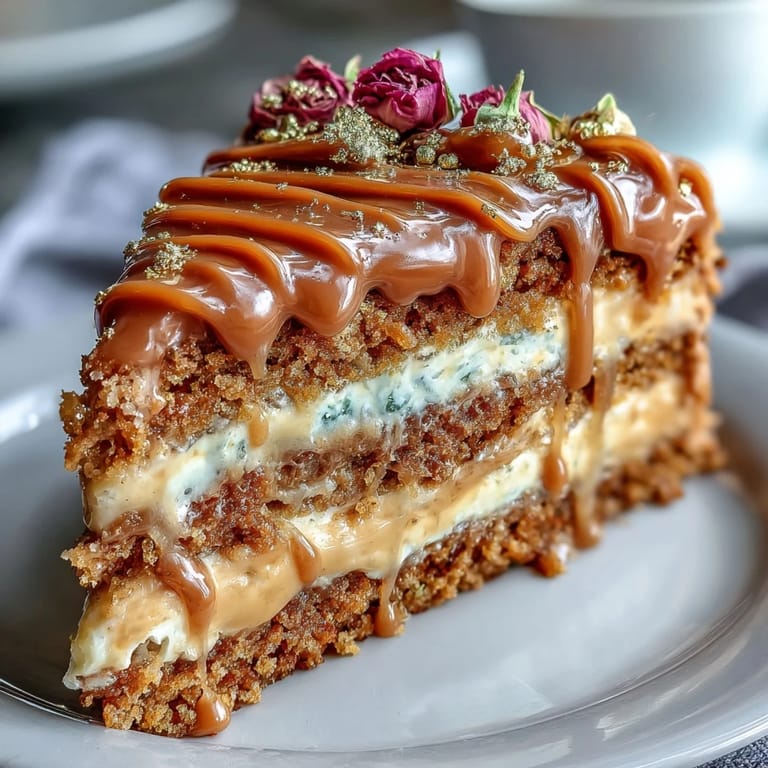
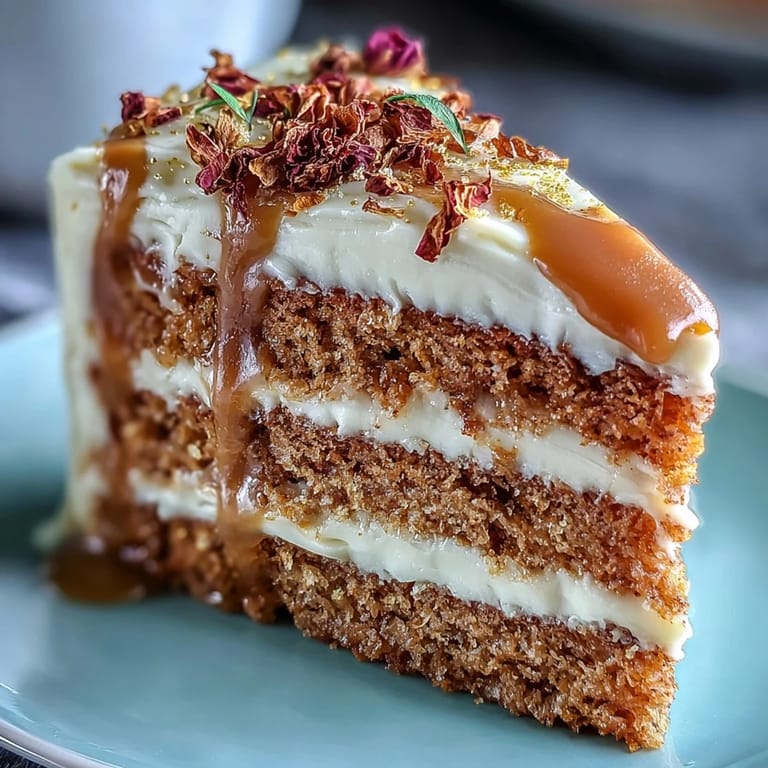
- Layer cakes with buttercream, creating streaks of color as you go; chill briefly to set, then finish with edible flowers, herbs, and gold leaf for the grand finale.
 Save
Save 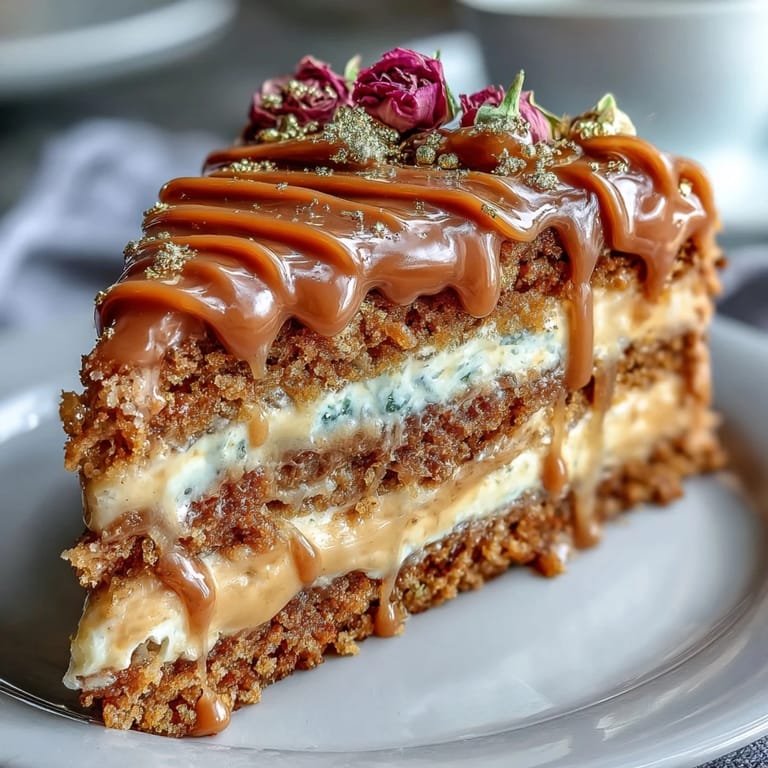 Save
Save On a rainy afternoon, I remembered setting this cake by the window right as the sun cracked through, picking up glints in the gold accents and making the edible flowers almost glow. For a few minutes, even before the first bite, it felt like dessert had somehow warmed up the whole house.
Choosing and Using Edible Flowers
I learned to check every petal for blemishes and bugs, gently rinsing in cold water and patting them dry before decorating. Some edible flowers hold up better than others—pansies and violets stay vibrant, while roses may wilt if set out too early, so always decorate close to serving time.
Getting Natural Colors Just Right
Using too much matcha or beet powder can turn your buttercream green or pink in a heartbeat, so I always dip a toothpick, swirl, then step back to see the hue. It’s like painting, but with frosting—you can always add more, but you can’t take it away once it’s in the bowl.
Storing and Serving for Maximum Impact
Room temp is best for slicing, but if your kitchen is warm or you used fresh flowers, pop the cake in the fridge and bring it out an hour before serving so flavors bloom. That extra chill helps the details on top stay sharp and the layers slice cleanly.
- If using gold leaf, apply it after chilling so it sticks and shimmers perfectly.
- Match the floral notes with your drinks—try a pot of Earl Grey or a chilled glass of Moscato.
- Leftovers taste even better the second day as the flavors settle; cover well to keep the cake from drying out.
 Save
Save  Save
Save Even if you bake Taurus Cake for no occasion at all, it has a way of making any day feel a little more meaningful. Here’s hoping it brings a touch of grounded beauty to your own kitchen adventures.
Recipe Questions & Answers
- → How do I keep the cake layers moist?
Fold cooled butterscotch sauce and sour cream into the batter, avoid overmixing, and test doneness with a toothpick at 28–35 minutes. If layers dry, brush lightly with simple syrup or warmed butterscotch for added moisture.
- → What can I use instead of rose water?
Swap rose water with orange blossom water for citrus-floral notes, or use vanilla extract for a subtler flavor. Start with equal amounts and adjust to taste, since floral extracts concentrate quickly.
- → Which natural colorants work best for earth tones?
Use matcha for green, beet powder for pink, cocoa powder for brown, turmeric for soft yellow, and spirulina for deeper greens. Mix into a small portion of buttercream first to gauge hue intensity before tinting the full batch.
- → How do I prevent buttercream from splitting?
Beat butter until pale and fully aerated before adding sugar. Add powdered sugar gradually and temper with small amounts of milk to reach spreadable consistency. If it splits, chill briefly and rewhip at medium speed to recombine.
- → How should I store the finished cake and for how long?
Keep the cake covered at room temperature for up to 3 days; refrigerate if using delicate fresh flowers or in warmer climates. Bring to room temperature before serving for best texture and flavor.
- → Are edible flowers safe to use as decoration?
Use only known edible varieties like pansies, violets, and roses from reputable sources, wash gently, and avoid flowers treated with pesticides. Remove flowers before feeding to young children or anyone with pollen sensitivities.