 Save
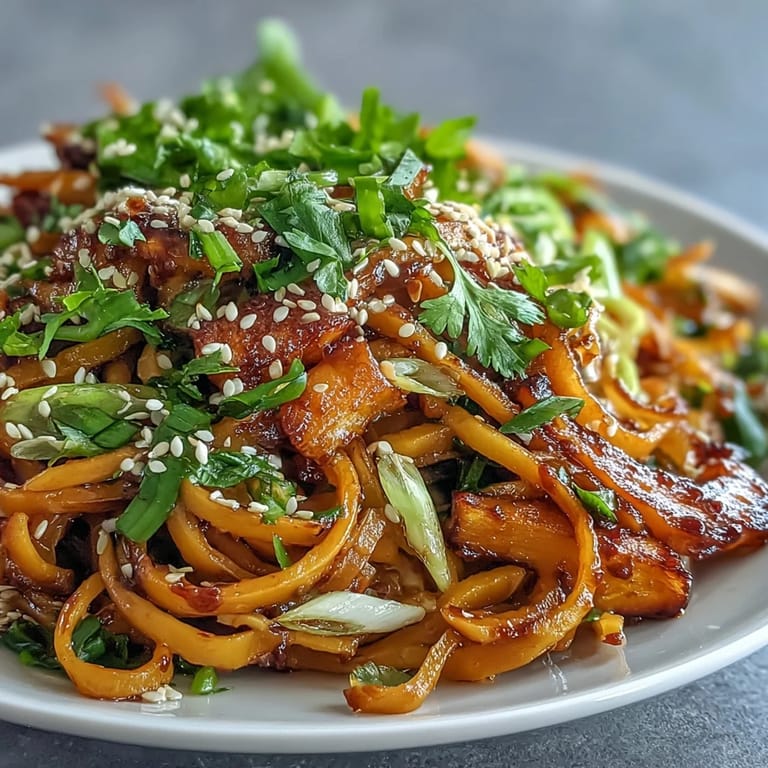
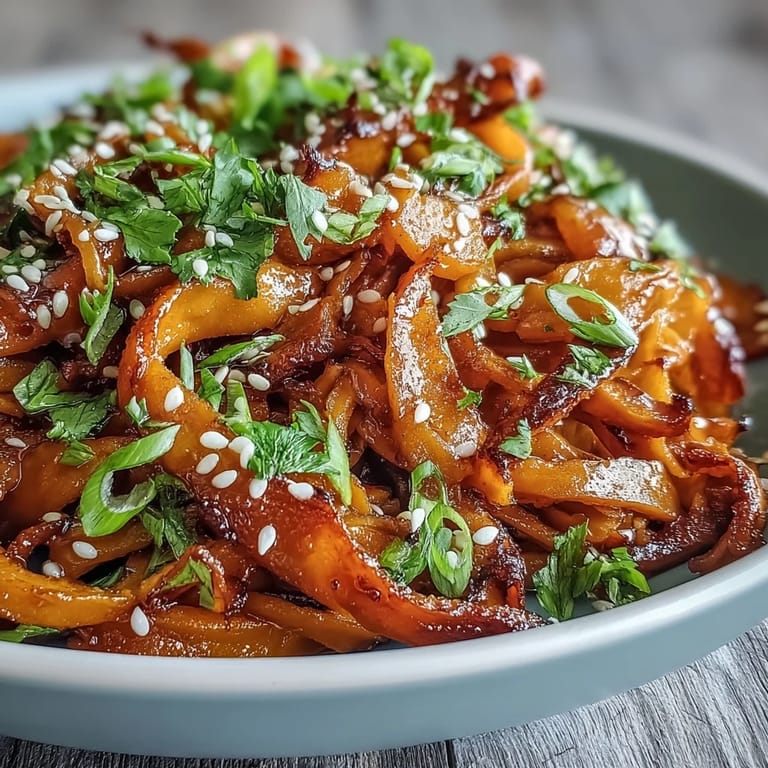
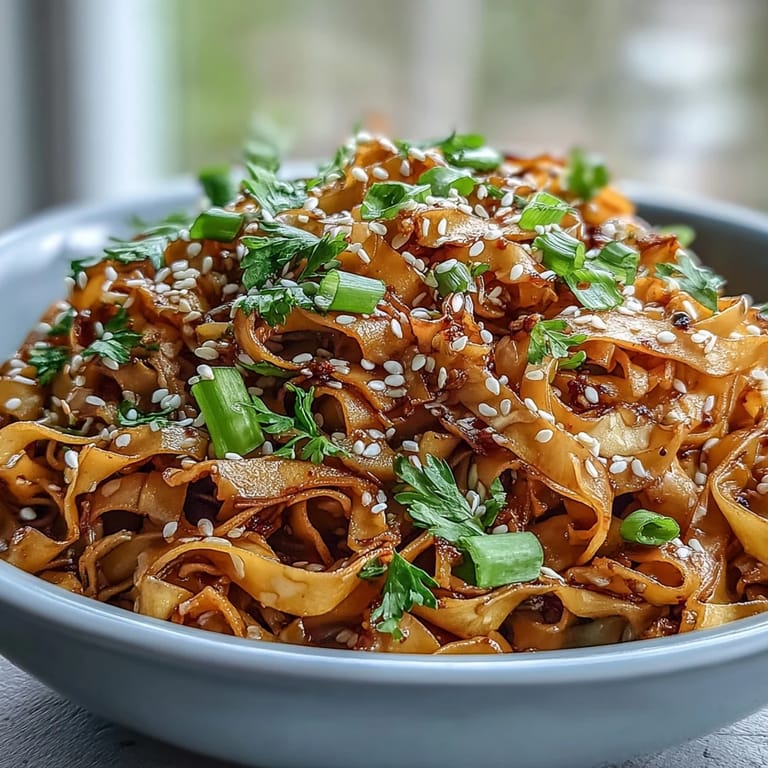
Save I was staring at a swede in my grocery basket, wondering what possessed me to buy such a large, ungainly root vegetable. My housemate walked past, saw it, and said, "That thing looks like it could survive a nuclear winter." She wasn't wrong. But once I peeled it and shaved it into thin ribbons with my vegetable peeler, something clicked: this humble, winter-hard vegetable could become something entirely different. Roasted until caramelized and tossed with a punchy gochujang dressing, it transformed into the kind of dish that made me rethink every boring root vegetable I'd ever ignored.
The first time I served this, my friend Sam picked up a ribbon with her chopsticks, eyed it suspiciously, and said, "This better not taste like dirt." One bite later, she was quiet. Then she went back for seconds. By the end of the night, she'd asked me to write down the recipe on a napkin, which I did in smudged pen while we finished off the sesame seeds straight from the pan.
Ingredients
- Swede (rutabaga): The star here, and when roasted, it loses all its bitterness and becomes sweet, nutty, and almost caramelized at the edges.
- Rice noodles: Their neutral, slippery texture is perfect for soaking up the gochujang dressing without competing for attention.
- Gochujang: This Korean chili paste brings fermented depth, gentle heat, and a slight sweetness that ties the whole dish together.
- Maple syrup: Balances the heat and saltiness with a mellow, rounded sweetness that doesn't taste cloying.
- Toasted sesame oil: Just a tablespoon adds a nutty, aromatic richness that makes everything taste more complete.
- Soy sauce: Adds umami and saltiness; use tamari if you want to keep it gluten-free.
- Rice vinegar: A touch of acidity cuts through the richness and keeps the dressing lively.
- Garlic and ginger: Freshly grated, they add sharpness and warmth that wake up the other flavors.
- Spring onions: Their mild bite and color make the dish feel fresh and less one-note.
- Sesame seeds: Toasted until golden, they add crunch and a final layer of nuttiness.
- Fresh cilantro: A handful on top brings brightness and a pop of green that makes the whole plate look alive.
Tired of Takeout? 🥡
Get 10 meals you can make faster than delivery arrives. Seriously.
One email. No spam. Unsubscribe anytime.
Instructions
- Prep the Swede:
- Preheat your oven to 220°C (425°F). Peel the swede and use a vegetable peeler or mandoline to cut it into thin ribbons or julienne strips—they should be delicate enough to roast quickly but sturdy enough to hold their shape.
- Roast Until Golden:
- Toss the ribbons with vegetable oil, salt, and pepper, then spread them out on a baking sheet in a single layer. Roast for 25 to 30 minutes, flipping halfway through, until the edges are golden and crispy and the centers are tender.
- Cook the Noodles:
- While the swede roasts, cook the rice noodles according to the package instructions. Drain them, rinse under cold water to stop the cooking, and set aside so they don't clump together.
- Make the Dressing:
- In a bowl, whisk together the gochujang, soy sauce, maple syrup, rice vinegar, sesame oil, grated garlic, grated ginger, and chili flakes if you like extra heat. Add water a tablespoon at a time until the dressing is pourable but still clings to a spoon.
- Toss Everything Together:
- In a large mixing bowl, combine the roasted swede, noodles, spring onions, carrot, and bean sprouts if using. Pour the dressing over everything and toss gently but thoroughly until every ribbon and noodle is coated.
- Serve and Garnish:
- Divide among bowls and top with toasted sesame seeds and fresh cilantro. Serve immediately while the swede is still warm and the noodles are slippery.
 Save
Save There's something quietly satisfying about watching someone take a second helping of a dish made from a vegetable they'd normally walk past. My neighbor once said this reminded her of japchae, but earthier and less fussy. I took that as the highest compliment. It's the kind of meal that makes you feel like you've done something a little clever in the kitchen without breaking a sweat.
Making It Your Own
This recipe is forgiving and adaptable. If you don't have swede, try using parsnips, carrots, or even thinly sliced sweet potato—they all roast beautifully and soak up the dressing in their own way. You can bulk it up with pan-fried tofu, edamame, or even a soft-boiled egg on top if you want more protein. I've also made this with soba noodles when I ran out of rice noodles, and it worked just as well, adding a bit of nuttiness that played nicely with the sesame.
Storing and Reheating
Leftovers keep well in the fridge for up to three days in an airtight container. The noodles will absorb more of the dressing as they sit, so the flavors get even more intense. I usually eat it cold straight from the fridge for lunch, but if you prefer it warm, a quick toss in a hot pan with a splash of water or a brief zap in the microwave works fine. Just don't overheat it or the noodles will turn mushy.
Pairing and Serving Ideas
This dish is bold enough to stand on its own, but it pairs beautifully with something light and crisp on the side. A simple cucumber salad with rice vinegar and a pinch of sugar cuts through the richness, and pickled radishes add a sharp, tangy crunch that balances the sweetness of the dressing. If you're serving it for a group, set out extra sesame seeds, chili oil, and lime wedges so everyone can adjust the heat and acidity to their liking.
- Serve alongside steamed greens or a light miso soup for a fuller meal.
- Pour yourself a cold Riesling or a light lager to complement the spice and sweetness.
- Double the dressing and keep extra in a jar—it's brilliant on roasted vegetables, grain bowls, or even as a dip for spring rolls.
 Save
Save This is the kind of recipe that makes you feel resourceful and a little adventurous, even on a Tuesday night. It's proof that the best meals don't always come from the fanciest ingredients, just the ones you're willing to see differently.
Recipe Questions & Answers
- → Can I use a different vegetable instead of swede?
Yes, you can substitute with sweet potato, butternut squash, or parsnips. Cut them into ribbons or julienne and adjust roasting time as needed until tender and caramelized.
- → How can I make this dish gluten-free?
Use tamari instead of soy sauce and ensure your gochujang is certified gluten-free, as some brands contain wheat or barley.
- → What can I use if I don't have gochujang?
Mix sriracha or another chili paste with a tablespoon of miso paste and a touch of sugar. It won't be identical but will provide similar sweet-spicy-umami flavors.
- → How do I store leftovers?
Store in an airtight container in the refrigerator for up to 3 days. The noodles may absorb the dressing, so add a splash of water or extra dressing when reheating.
- → Can I add protein to this dish?
Absolutely! Pan-fried tofu, edamame, grilled tempeh, or a soft-boiled egg work wonderfully. Add them just before tossing with the dressing.
- → What type of noodles work best?
Rice noodles are traditional and keep this dish gluten-free. You can also use soba noodles, udon, or even zucchini noodles for a lower-carb option.