 Save
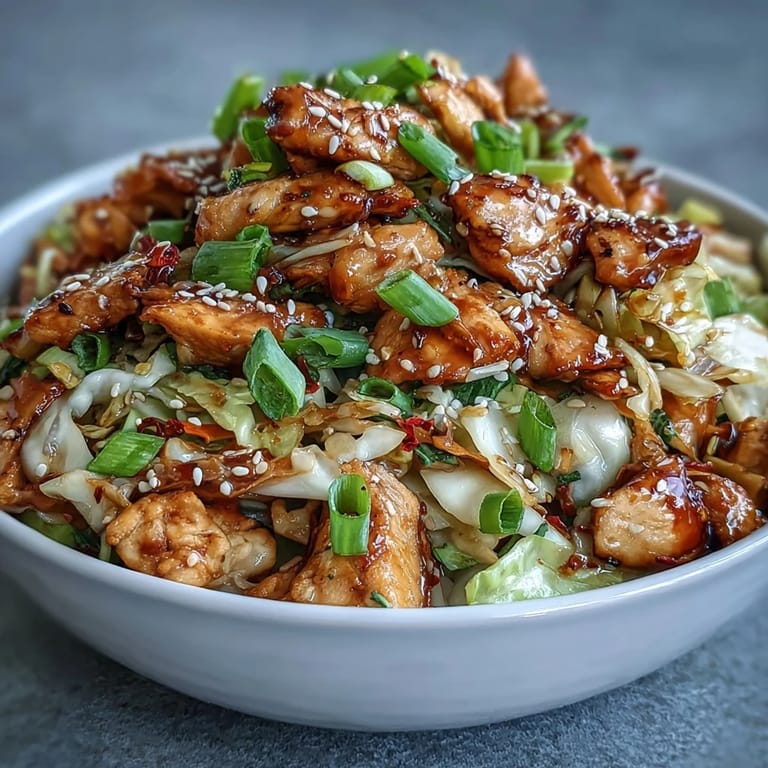
Save My sister called one Tuesday night asking for something fast that didn't taste like leftovers. I had chicken thawing and half a cabbage going limp in the crisper. Twenty minutes later, we were both on the phone eating this straight from the skillet, and she made me promise to text her the steps. It's been her weeknight reset ever since.
I started making this on nights when I wanted takeout but didn't want to wait or spend the money. The smell of ginger hitting hot oil is enough to trick your brain into thinking you ordered in. My husband walks in from the garage and asks if I got delivery, every single time.
Ingredients
- Boneless, skinless chicken breasts: Slicing them thin helps them cook fast and soak up the sauce without drying out.
- Neutral oil: Vegetable or canola works best here since they can take the heat without smoking or adding competing flavors.
- Yellow onion: It sweetens as it cooks and gives the base a caramelized backbone that balances the soy and vinegar.
- Garlic and fresh ginger: These two together create that unmistakable aromatic punch you expect from anything Asian-inspired.
- Green cabbage: Shredding it yourself keeps it from going mushy, and it holds its texture way better than pre-bagged coleslaw mix.
- Carrots: They add a hint of sweetness and a pop of color that makes the bowls look alive.
- Low-sodium soy sauce: You control the salt this way, especially since you'll want to adjust at the end.
- Rice vinegar: It cuts through the richness and wakes up every other flavor without tasting sharp.
- Toasted sesame oil: Just a teaspoon is enough to make the whole dish smell like a restaurant kitchen.
- Sugar or honey: A tiny bit rounds out the sauce and keeps it from tasting one-dimensional.
- Green onions, sesame seeds, and chili crisp: These aren't just garnish, they're the finishing textures and heat that make you want another bite.
Tired of Takeout? 🥡
Get 10 meals you can make faster than delivery arrives. Seriously.
One email. No spam. Unsubscribe anytime.
Instructions
- Prep everything first:
- Slice the chicken, shred the cabbage and carrots, mince the garlic and ginger, and get your onions and green onions ready. Once the pan heats up, everything moves fast.
- Heat your oil until it shimmers:
- Use a large skillet or wok over medium-high heat and let the oil get hot enough that it ripples when you tilt the pan.
- Cook the onion until soft:
- Add the sliced onion and stir occasionally for about 2 minutes until it turns translucent and starts to smell sweet.
- Add garlic and ginger:
- Stir them in and cook for just 30 seconds until the kitchen smells incredible and you can feel the heat in the air.
- Brown the chicken:
- Season it lightly with salt and pepper, then cook for 5 to 7 minutes, stirring now and then, until no pink remains and the edges start to crisp.
- Make room for the vegetables:
- Push the chicken to one side and add the cabbage and carrots to the empty space. Let them cook for 3 to 4 minutes, tossing occasionally, until they soften but still have bite.
- Toss everything together:
- Mix the chicken and vegetables until they're evenly distributed across the pan.
- Pour in the sauce:
- Add the soy sauce, rice vinegar, sesame oil, and sugar or honey, then toss everything to coat. Cook for 1 to 2 minutes until it's heated through and glossy.
- Taste and adjust:
- Add more soy sauce, salt, or pepper if it needs it. Trust your tongue here.
- Serve and garnish:
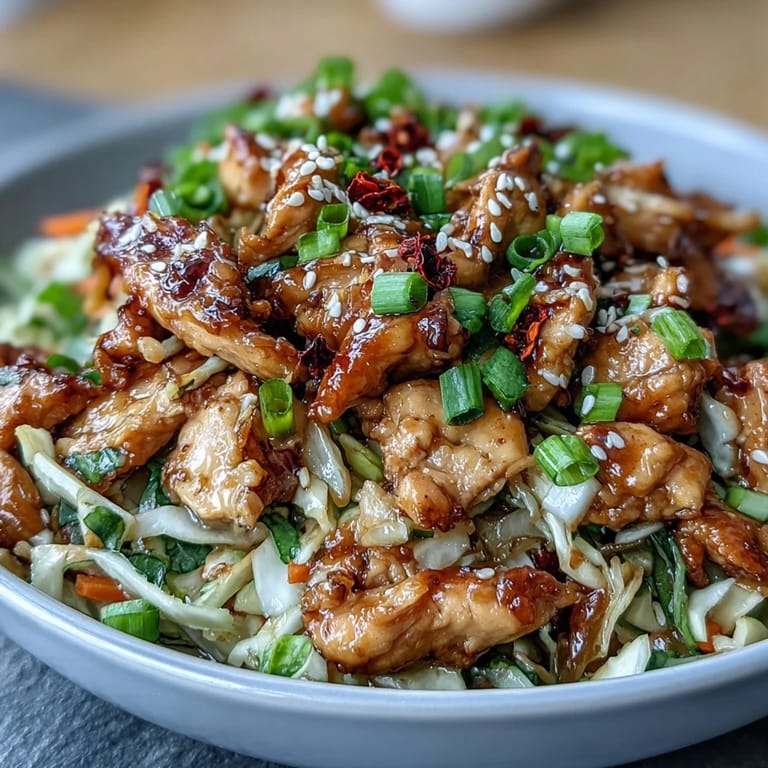
- Divide the mixture into bowls and top with green onions, sesame seeds, and chili crisp if you want heat.
 Save
Save The first time I made this for my kids, I expected complaints about the cabbage. Instead, my youngest asked if we could have it again the next night. Now it's in our regular rotation, and I keep pre-shredded cabbage in the fridge just in case someone requests it mid-week.
Swapping the Protein
Ground pork or turkey works beautifully here and cooks even faster than sliced chicken. I've also used leftover rotisserie chicken torn into chunks, which turns this into a ten-minute meal. If you're going meatless, press and cube some firm tofu, then brown it in the same oil before adding the onions.
Serving Suggestions
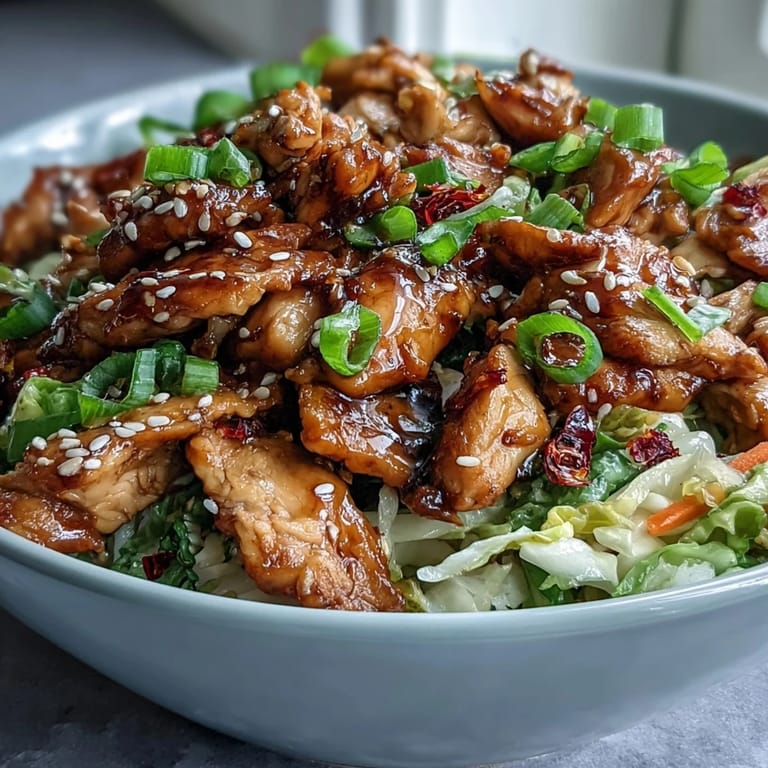
I usually eat this straight from the bowl, but my husband likes it over jasmine rice to make it more filling. Cauliflower rice keeps it low-carb and soaks up the sauce just as well. Sometimes I'll add a fried egg on top with a runny yolk that breaks into the vegetables and turns it into something almost luxurious.
Storage and Extras
Leftovers keep in an airtight container in the fridge for up to three days, and they actually taste better the next day once the flavors settle. Reheat them in a skillet over medium heat with a splash of water to loosen everything up. The cabbage won't be as crisp, but it still tastes good enough that I pack it for lunch without hesitation.
- Add a splash of fish sauce or hoisin before serving if you want a deeper, more complex flavor.
- Double the batch and freeze half before adding the sauce, then finish it fresh when you're ready to eat.
- Use this as a filling for lettuce wraps or stuff it into a low-carb tortilla for a quick handheld meal.
 Save
Save This is the kind of recipe that makes you feel capable on a hard day. It's fast, forgiving, and tastes like you tried harder than you did.
Recipe Questions & Answers
- → Can I use a different protein instead of chicken?
Yes, ground pork, turkey, or firm tofu work wonderfully. Adjust cooking times accordingly—ground meats cook faster, while tofu may need a few extra minutes to brown.
- → How do I keep the cabbage from getting too soft?
Cook the cabbage over medium-high heat and stir occasionally rather than constantly. This allows it to soften slightly while maintaining a pleasant crunch.
- → Can I make this ahead of time?
Absolutely. Store in an airtight container in the refrigerator for up to 3 days. Reheat in a skillet over medium heat or in the microwave, adding a splash of water if needed.
- → Is this dish gluten-free?
It can be! Use gluten-free soy sauce or tamari instead of regular soy sauce. Check all other ingredient labels for hidden gluten if you're highly sensitive.
- → What can I serve with these bowls?
Steamed white or brown rice is classic, but cauliflower rice keeps it low-carb. You can also serve with rice noodles or enjoy the bowls on their own for a lighter meal.
- → How can I add more vegetables?
Bell peppers, snap peas, mushrooms, or bean sprouts are excellent additions. Add them when you cook the cabbage and carrots for even distribution.