 Save
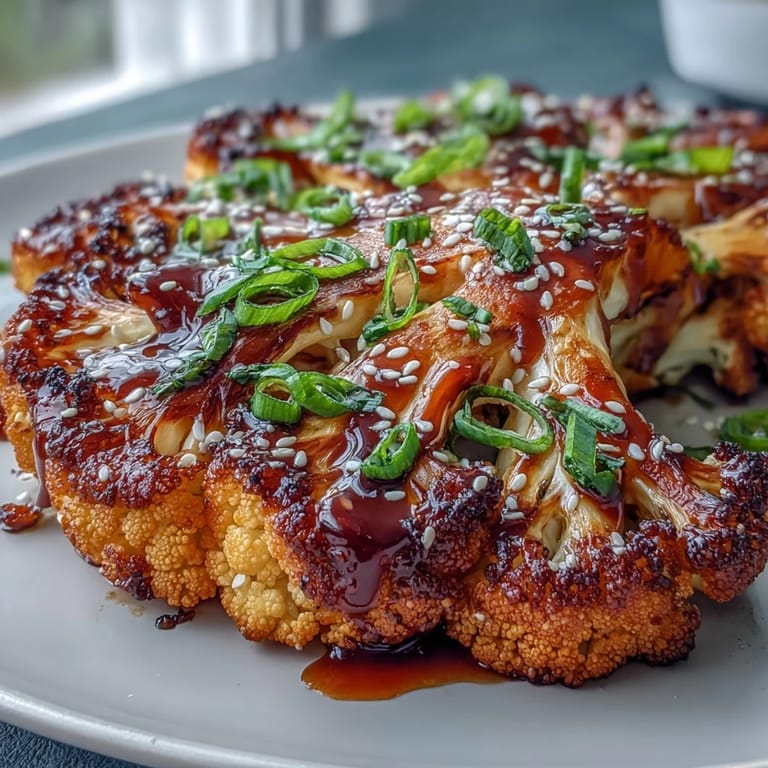
Save Some weekday evenings, the kitchen feels like a canvas waiting for color, and the night I tried these teriyaki cauliflower steaks, I remember the sizzle of olive oil hitting the roasting pan more clearly than anything on television. The savory aroma was an instant mood-lifter, coaxing curiosity from everyone who passed through. There’s a subtle excitement to transforming humble cauliflower into something that glistens and invites you closer. This dish didn’t become a regular for nostalgia’s sake but for its sheer versatility and punchy flavor. Cauliflower’s mild blank-slate nature lets the teriyaki sauce do its best work, and the reward is golden, sticky, and reliably impressive.
One summer, I made a double batch for some friends after a park day—some of them raised eyebrows at 'cauliflower steaks' but all that skepticism melted away after the first forkful. There’s a real joy in seeing a roasting pan passed around and gradually emptied, garnished bits sticking to fingers as the conversation drifted to favorite guilty pleasures and travel dreams. Cooking this recipe for others sharpens the memory: steam clouding my glasses as I brushed each steak with glossy teriyaki and laughter bubbling up from the kitchen counter. It’s those tiny kitchen victories—like successfully flipping a hefty cauliflower slab—that seem to spark the longest smiles. Honestly, I now keep sesame seeds and scallions on standby just for this meal.
Ingredients
- Cauliflower heads: Choose fresh, heavy cauliflower so the steaks hold together; trim the stem enough to keep slices stable.
- Olive oil: Brushing both sides helps encourage an even golden crust and keeps the steaks moist.
- Salt and black pepper: Season generously so flavor makes it into every bite, not just the sauces.
- Soy sauce: Low-sodium works just as well and keeps the teriyaki mellow instead of salty.
- Maple syrup or honey: I like maple’s richness, but honey’s spring sweetness also brings balance; use what you have.
- Rice vinegar: Adds brightness—a splash makes the sauce pop without overpowering.
- Toasted sesame oil: This is what turns the sauce ‘teriyaki’ with its nutty, aromatic finish; a little goes far.
- Cornstarch: The sauce thickens in a blink, so stir quickly and simmer just until glossy.
- Garlic and fresh ginger: Both should be minced fine for maximum punch and to avoid any fibrous bites.
- Sesame seeds & scallions: Toasting the seeds first brings out extra flavor; use freshly cut scallions for a fresh finish.
Tired of Takeout? 🥡
Get 10 meals you can make faster than delivery arrives. Seriously.
One email. No spam. Unsubscribe anytime.
Instructions
- Get the oven ready:
- Preheat to 425°F (220°C) and line your baking sheet with parchment; the crackle and delay-free cleanup are worth it.
- Prep the cauliflower:
- Trim away the leaves, keeping the core intact, then slice firm 1-inch steaks—don’t fret if a few florets break loose, just arrange them around the edges for bonus bites.
- Oil and season:
- Brush steaks on both sides with olive oil, sprinkle salt and pepper, and enjoy the glossy, almost floral look before roasting.
- Roasting time:
- Set in the hot oven for 20 minutes, then carefully flip (two spatulas help), roast 10 minutes more until caramel-gold with crisp edges.
- Whip up the teriyaki sauce:
- Combine soy sauce, maple syrup or honey, vinegar, sesame oil, garlic, and ginger in a saucepan; let it bubble and release its savory perfume.
- Thicken it up:
- Mix cornstarch with water, pour into the sauce while stirring and watch for the moment it suddenly glazes your spoon—take it off heat then.
- Glaze and finish:
- Brush hot cauliflower steaks with that thick teriyaki, then slide back into the oven for a couple of minutes so it caramelizes and shines.
- Plate with style:
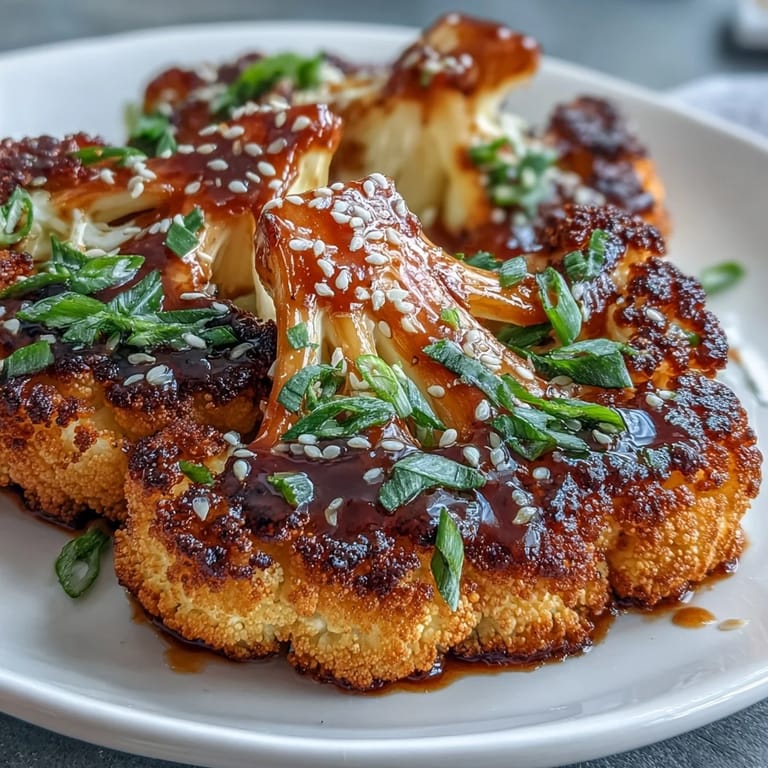
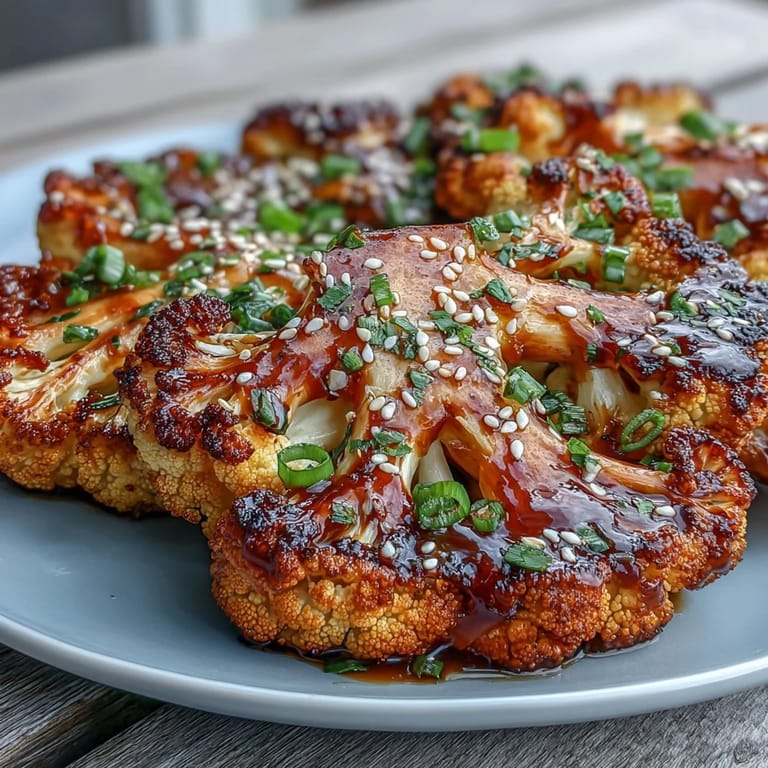
- Transfer the steaks to plates, drizzle on extra sauce, and scatter toasted sesame seeds and scallions over the top until it looks restaurant-ready.
 Save
Save After the first time I served this with extra sauce on the side, the last piece of cauliflower disappeared in a heartbeat—and that’s when I realized this recipe was more about sharing than just eating. It’s a simple pleasure: sticky fingers, shared stories, and the kitchen’s gentle whisper that you did something just right.
Serving Suggestions That Always Work
On busy nights, I’ll serve these steaks with a bed of steamed jasmine rice or a quick sauté of snap peas and carrots, which soak up any extra sauce. For an impromptu dinner, a hearty green salad and crusty bread help stretch the meal and make it feel special. I’ve even topped leftovers with a fried egg the next morning, spooning on the last drops of teriyaki. The dish’s versatility lets it fit whatever mood or occasion you land on.
Tricks to Keep Cauliflower Steaks Intact
The real secret is all in the cut—start from the middle, and slice straight through the core for maximum stability. When flipping, slide two spatulas underneath to avoid breakage, and don’t worry if a few florets go rogue (they roast up deliciously crispy). Also, resist over-crowding your pan; giving the steaks breathing room lets them brown instead of steam, which makes all the difference in the final bite.
Making the Teriyaki Sauce Your Own
Once you make this silky teriyaki from scratch, you’ll see how easy it is to tweak: sweeter, tangier, or spicier—just add a pinch of chili flakes or a dash of extra ginger. I even swap in tamari when a gluten-free version is needed, and it’s undetectable to anyone but the cook. The sauce doubles easily and keeps in the fridge for a quick drizzle over grain bowls or roasted veggies throughout the week.
- Let the sauce cool before storing for leftovers.
- Try using smoked salt for a unique touch.
- Keep a wet paper towel under your cutting board to help it stay put while slicing cauliflower.
 Save
Save There’s something quietly triumphant about coaxing so much flavor from a humble veggie and pantry staples. However you serve it, these teriyaki cauliflower steaks always seem to make the evening a little brighter.
Recipe Questions & Answers
- → How do I slice cauliflower into steaks without them breaking?
Trim the outer leaves and level the stem so the head sits flat. Use a sharp chef's knife and cut 1-inch-thick slices straight through the core; keep the core intact to help hold each steak together while roasting.
- → How can I prevent the steaks from becoming soggy?
Brush both sides with olive oil and roast on a lined baking sheet at high heat (425°F) so edges caramelize. Avoid overcrowding the pan so hot air circulates and moisture can evaporate.
- → What thickens the teriyaki glaze and when should I add it?
Mix cornstarch with cold water to make a slurry and stir it into the simmering soy-maple mixture; cook until glossy and thick (1–2 minutes). Brush the glaze on toward the end and return to the oven briefly to caramelize.
- → Can I make this gluten-free?
Yes—substitute tamari or a certified gluten-free soy sauce for the regular soy sauce. Check other ingredient labels (like sesame oil) if cross-contact is a concern.
- → How long should I roast the steaks and at what temperature?
Roast at 425°F (220°C): about 20 minutes on the first side, flip gently, then roast another 10 minutes until golden and tender. Finish 2–3 minutes after glazing to caramelize.
- → How should I store and reheat leftovers?
Refrigerate cooled steaks in an airtight container for up to 3 days. Reheat on a baking sheet at 375°F until warmed through to preserve texture, or pan-sear briefly for crisp edges.